Why Julia Roberts’ Authenticity Feels Almost Radical in Today’s Celebrity Culture
In an age of perfectly filtered selfies, curated “candid” moments, and celebrities turning personal drama into content empires, Julia Roberts’ unwavering authenticity stands out like a quiet rebellion. At 58, she remains one of the few major stars who refuses to play the modern fame game — and that refusal feels almost revolutionary. While others chase virality through shock value, cosmetic overhauls, or constant oversharing, Roberts chooses substance, privacy, and unfiltered humanity. In doing so, she reminds us what genuine stardom can look like.
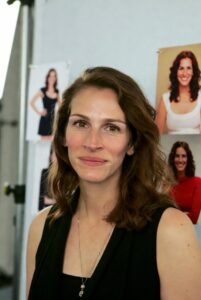
Roberts’ authenticity is most visible in how she ages. She has repeatedly rejected Botox, fillers, and the pressure to look forever 35. “I’m aging with dignity, humor, and serenity,” she has said, embracing laugh lines and natural expressions that tell the story of a life fully lived. In a celebrity culture where procedures are normalized and often expected, her decision to let her face move and evolve feels defiant. She wants her children — and her audience — to see real emotions, not a polished mask. This choice alone makes her a radical figure in an industry that markets eternal youth as the ultimate currency.
Her approach to privacy is equally countercultural. Roberts and husband Danny Moder have raised their three children (now young adults) largely out of the spotlight. She rarely shares specifics about their lives, skips most social media, and protects family dinners and ordinary moments with fierce boundaries. In today’s world, where influencers monetize every milestone and reality stars broadcast their most intimate struggles, her restraint is striking. When she does speak about family — like her recent joyful comments on her twins turning 21 — the words land with rare sincerity because they aren’t constant performance.
Even her career choices reflect this radical honesty. Roberts selects roles for depth rather than relevance or paycheck size. Her layered turn as a complex Yale professor in Luca Guadagnino’s After the Hunt (2025) demanded vulnerability and moral ambiguity rather than glamour. She has spoken candidly about finding the character challenging because it went against her nurturing instincts — a level of self-awareness most stars avoid in public. Off-screen, she prioritizes being “a nice person,” mentoring younger actors like Ayo Edebiri with warmth and maintaining a two-decade marriage built on mutual respect instead of tabloid spectacle.
Modern celebrity culture rewards exaggeration: dramatic breakups for headlines, performative activism for likes, and constant reinvention to stay “relevant.” Roberts does the opposite. She disappeared happily into motherhood at the peak of her fame, returned selectively, and built a life grounded in New Mexico ranch mornings, hiking, cooking, and real connection. No entourages, no manufactured feuds, no desperate trend-chasing. That consistency — being the same person on and off camera — feels radical because it’s so rare.
In a filtered, fragmented world hungry for something real, Julia Roberts’ authenticity resonates deeply. She proves you can be iconic without selling every piece of yourself. Her quiet confidence challenges the industry’s worst impulses and offers a blueprint for living with integrity. At 58, she isn’t just sustaining a legendary career — she’s showing that true power lies in staying true to who you are. In today’s celebrity culture, that may be the most radical act of all.
Leave a Reply