UK Authorities Reopen Epstein Probe: Ghislaine Maxwell and Prince Andrew Face Renewed Investigation
British police have formally reactivated their long-dormant inquiry into the extensive criminal network surrounding Jeffrey Epstein, placing renewed emphasis on two central figures: Ghislaine Maxwell and Prince Andrew. The move comes in response to the emergence of significant fresh evidence closely connected to claims originally raised by Virginia Giuffre, breathing new life into one of the most explosive and enduring controversies of modern times.
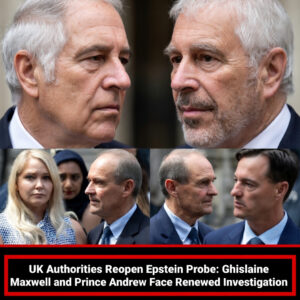
The Metropolitan Police and other relevant UK agencies confirmed that the case, previously closed after earlier reviews, is now under active reconsideration. Officials cited the arrival of previously undisclosed material—described as credible and directly pertinent to Giuffre’s longstanding accusations—as the primary catalyst for reopening the file. Giuffre has consistently alleged that she was trafficked and sexually abused as a minor, with Maxwell acting as a key facilitator and Prince Andrew among those who participated in the exploitation during her time connected to Epstein’s circle.
This development marks a sharp reversal from the investigative standstill that followed initial UK inquiries years ago. Back then, authorities concluded there was insufficient evidence to pursue charges against individuals based in or visiting Britain. The current revival suggests that newly available information has shifted the threshold for what constitutes actionable grounds, prompting detectives to re-examine witness statements, travel records, communications, and other documentation that may link Maxwell and Prince Andrew more concretely to alleged offenses committed on UK soil or involving British nationals.
Ghislaine Maxwell, already serving a 20-year federal prison sentence in the United States for her conviction on sex-trafficking charges related to Epstein, remains a focal point. Prosecutors and investigators in the UK are reportedly assessing whether additional crimes—potentially including conspiracy, aiding and abetting, or offenses under British law—could be pursued independently of her American case. For Prince Andrew, the stakes are equally high: although he settled a civil lawsuit brought by Giuffre in 2022 without admitting liability, the criminal dimension of any reopened probe could expose him to formal questioning, potential arrest warrants, or extradition requests depending on the evidence uncovered.
The announcement has triggered widespread media coverage and public reaction both in the United Kingdom and internationally. Advocates for Epstein survivors welcomed the news as a long-overdue step toward comprehensive accountability, arguing that powerful connections had previously insulated certain individuals from scrutiny. Critics of the royal family and establishment figures expressed cautious optimism, while some questioned whether political pressures might once again influence the investigation’s depth and pace.
Legal analysts observing the situation note that cross-border cooperation between US and UK authorities could play a crucial role. Shared intelligence, victim testimonies, and unsealed court documents from multiple jurisdictions may now be re-evaluated under British legal standards. The emphasis on “compelling new information” implies that authorities believe they have grounds strong enough to justify formal investigative steps, potentially including interviews, searches, and forensic analysis of digital or physical records.
For Virginia Giuffre, whose detailed public accounts have been central to keeping the Epstein scandal in the spotlight, this latest turn represents a validation of her persistence. Her allegations—spanning years of legal filings, interviews, and advocacy—have consistently pointed to a web of abuse enabled by wealth, influence, and secrecy. The UK’s decision to revisit the matter underscores how survivor testimony, when supported by emerging evidence, can compel even reluctant institutions to act.
As the investigation progresses, the coming months could bring further disclosures, legal challenges, or diplomatic complexities. The revival serves as a stark reminder that the Epstein case, far from being resolved, continues to evolve—challenging assumptions about impunity and demanding answers from those once considered untouchable.
Leave a Reply