The way Jennifer Aniston handles both praise and criticism continues to feel like a lesson in emotional intelligence.
In an industry where egos inflate with acclaim and crumble under scrutiny, Jennifer Aniston demonstrates a rare equilibrium. At 57, with a career spanning more than three decades, she navigates the highs of global adoration and the lows of relentless tabloid judgment with grace, self-awareness, and quiet strength. Her responses reveal not just resilience, but a sophisticated emotional intelligence that prioritizes perspective over reaction.
When praise arrives, Aniston accepts it with genuine humility rather than performative modesty. She has described the enduring love for Friends as “pure joy,” noting that the ultimate compliment is hearing fans watch the show during stressful times to feel better. In recent interviews, including her 2025 Harper’s Bazaar UK feature and ELLE Women in Hollywood profile, she expresses gratitude for her longevity without claiming trailblazer status. She deflects compliments about her influence on women in Hollywood, instead crediting collective progress and the simple fact that women over 50 are now allowed “a seat at the table.” This grounded approach keeps her relatable, turning admiration into connection rather than distance.
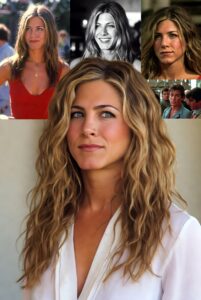
Her handling of criticism is even more instructive. For years, tabloids and public discourse reduced her to narratives about her childlessness, labeling her “selfish” or a “workaholic” for prioritizing career over family. In 2025 interviews, Aniston addressed these judgments directly yet without bitterness. She revealed the private pain of fertility struggles she kept hidden because “that’s not anybody’s business,” while pushing back against the outdated idea that a successful woman without children is somehow incomplete. “God forbid a woman is successful and doesn’t have a child,” she remarked, framing the criticism as a broader societal issue rather than a personal attack. Her 2016 essay “For the Record” remains a landmark example—calling out body scrutiny and objectification with clarity and empowerment, refusing to let external noise define her worth.
Even amid professional critique, such as mixed reviews for certain seasons of The Morning Show, Aniston stays focused on the work. As executive producer and star, she embraces the show’s complex themes of betrayal, media ethics, and AI in Season 4 (renewed for a fifth in 2026), acknowledging the intense emotional demands while celebrating the collaborative storytelling. She has joked about the writers “trying to kill” her character with relentless arcs, diffusing tension with humor. When facing broader fame-related backlash or speculation, she adopts a pragmatic view: the news cycle moves fast, and “the older I get, the less I care about correcting a narrative, because it will happen eventually.”
This balance stems from deep self-awareness. Aniston acknowledges her humanity—“It does affect me – I’m just a human being”—while refusing to be consumed by it. She sets boundaries around her private life, practices gratitude for hard-won opportunities, and channels energy into meaningful projects through Echo Films and her haircare line LolaVie. Her subtle humor often surfaces in interviews, lightening heavy topics without deflection.
In a culture that rewards outrage and performative vulnerability, Aniston models something more sustainable: emotional regulation rooted in perspective, boundaries, and self-compassion. She neither basks excessively in praise nor internalizes criticism as truth. Instead, she processes both, learns where useful, and continues building a life and career on her own terms.
Jennifer Aniston’s approach isn’t flashy or revolutionary on the surface. Yet it offers a profound lesson—true emotional intelligence lies in knowing what deserves your energy and what doesn’t. In doing so, she doesn’t just endure Hollywood; she elevates the conversation around it.
Leave a Reply