The Quick and the Dead Director’s Cut Insights
The Quick and the Dead (1995), Sam Raimi’s stylish revisionist Western, stands as one of Sharon Stone’s most ambitious projects — not only as its star but as a co-producer who wielded significant creative control. While no radically different official “Director’s Cut” has been widely released, alternate versions and behind-the-scenes details reveal fascinating insights into the film’s evolution, Stone’s vision, and the choices that shaped its final form.
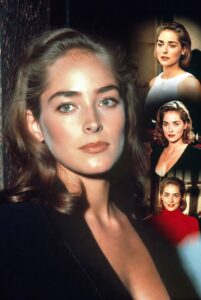
At its core, The Quick and the Dead follows Ellen “The Lady” (Stone), a mysterious gunslinger entering a deadly quick-draw tournament in a corrupt frontier town ruled by the ruthless John Herod (Gene Hackman). The film blends Spaghetti Western homage with Raimi’s signature kinetic energy — crash zooms, dynamic angles, and over-the-top gunfights. Stone’s involvement went far beyond acting. Fresh off Basic Instinct, she used her star power to greenlight the project and insisted on Raimi as director after being impressed by Army of Darkness. She reportedly told the studio she would walk if he wasn’t hired.
One of the most notable differences in alternate versions involves a love scene between Stone’s Ellen and Russell Crowe’s Cort. The intimate moment was filmed but removed from the U.S. theatrical release at Stone’s insistence as co-producer. She felt it didn’t fit the film’s established reality and tone of grim, single-minded revenge. The scene appeared in international theatrical and home video releases, offering a slightly more romantic layer to their relationship. This decision underscores Stone’s commitment to a strong, no-nonsense female protagonist who prioritizes vengeance over romance.
Stone’s producer role heavily influenced casting. She fought for a young Leonardo DiCaprio as “The Kid,” even offering to pay his salary herself after being moved by his audition. She also championed Crowe, helping bring the Australian actor to Hollywood. Her push for Gene Hackman in the villain role added gravitas, though she had to battle the studio on several fronts, including being temporarily locked out of the editing room when advocating for Danny Elfman’s score.
In recent years, Stone has reflected candidly on the experience. In interviews and her memoir The Beauty of Living Twice, she expressed disappointment over Raimi’s lack of ongoing loyalty, noting he never spoke to her again after production despite her role in elevating his career. She contrasted this with her lasting relationship with Martin Scorsese.
The Quick and the Dead was not a major box office hit upon release but has grown into a cult favorite for its campy energy, strong ensemble (including a breakout DiCaprio), and Raimi’s flair. The alternate versions and production stories highlight Stone’s determination to craft a female-driven Western that subverted expectations. Her insights reveal a project defined by bold choices, creative tensions, and a star who refused to be just another pretty face in a genre dominated by men.
For fans, exploring the international cut offers a fuller picture of the film’s possibilities — a testament to Sharon Stone’s influence in shaping one of the 90s’ most entertaining, if overlooked, Westerns.
Leave a Reply