The heartfelt reason Julia Roberts still moves people so deeply
In a world increasingly drawn to spectacle and irony, Julia Roberts continues to touch audiences on a profoundly human level. At 58, her performance in Luca Guadagnino’s After the Hunt (2025) has reignited conversations about why her work resonates so powerfully. As Professor Alma Imhoff — a brilliant yet flawed academic confronting ethical dilemmas, hidden traumas, and the fragility of reputation — Roberts delivers a masterclass in emotional honesty that feels less like acting and more like shared confession. The film’s quiet intensity has left viewers moved to tears, not by grand tragedy, but by the simple recognition of their own inner lives.
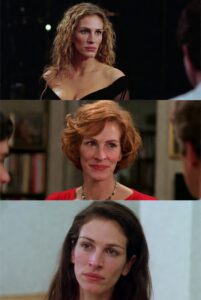
The heartfelt reason behind this enduring connection is Roberts’ rare ability to portray vulnerability without fragility and strength without hardness. She has always played women who feel fully alive — messy, hopeful, contradictory, and real. From Vivian Ward’s nervous laughter in Pretty Woman to Erin Brockovich’s righteous fire, Roberts never hides the cracks. In After the Hunt, Alma’s subtle breakdowns, hesitant silences, and fleeting moments of tenderness reveal a woman carrying the weight of midlife truths: regret, resilience, moral compromise, and the quiet longing for redemption. Audiences don’t just watch her; they feel seen through her.
This depth comes from lived experience. Roberts has spoken candidly about her own journey through insecurity, loss, and reinvention. Motherhood, a stable marriage to Danny Moder, and years of choosing family over constant spotlight have grounded her in ways that translate directly to the screen. She brings the wisdom of someone who has loved deeply, stumbled, and kept going. In interviews, she describes acting as “a love language” — a way to connect souls across the darkness of a theater. That sincerity is palpable. Whether sharing a tentative smile with co-star Ayo Edebiri or holding a long, wordless gaze with Andrew Garfield, Roberts makes ordinary emotional exchanges feel sacred.
Her appeal also lies in radical authenticity. In an era of filtered perfection and performative outrage, Roberts embraces aging with grace — visible laugh lines, thoughtful pauses, and all. She finds beauty in imperfection and invites audiences to do the same. This generosity creates an emotional safe space. Viewers leave her films feeling less alone in their complexities: the working parent’s exhaustion, the quiet questioning of life choices, the ache of unspoken truths. Her megawatt smile still appears, but now it carries history, making its warmth even more powerful and earned.
Beyond individual performances, Roberts moves people because she believes in the fundamental goodness of connection. Her humanitarian work, devotion to her three children, and consistent kindness off-screen reinforce the integrity she brings to every role. She doesn’t preach; she simply lives and portrays characters who strive, fail, and try again — just like us.
At this stage of her iconic career, Julia Roberts has nothing left to prove, yet she still gives everything. That selfless, heartfelt commitment is why she continues to stir souls deeply. In After the Hunt and throughout her body of work, she reminds us that our most private emotions — hope, fear, love, forgiveness — are universal, beautiful, and worthy of being witnessed. In her eyes and performances, we find not just entertainment, but empathy, validation, and the gentle reassurance that we are all in this human story together.
Leave a Reply