Sharon Stone’s Voice for Change in Hollywood
Sharon Stone has evolved from a screen icon into one of Hollywood’s most outspoken advocates for systemic change. With decades of experience navigating the industry’s highs and lows, she has used her platform to challenge sexism, ageism, pay inequality, and the often-toxic culture that has long marginalized women.
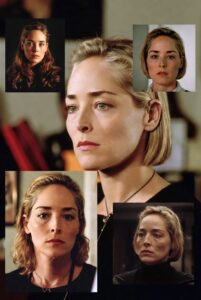
Stone first experienced Hollywood’s double standards during her meteoric rise in the 1990s. After Basic Instinct (1992) made her a global sex symbol, she faced intense objectification and typecasting. She has spoken candidly about being pressured to appear a certain way and the difficulty of being taken seriously as an actress. Her powerful performance in Casino (1995) proved her depth, yet she still struggled against an industry that often valued women’s looks over their talent.
The #MeToo movement marked a turning point where Stone became more vocal. She shared her own experiences of harassment and inappropriate behavior, including an infamous encounter with a high-profile producer early in her career. Rather than remaining silent, Stone encouraged open dialogue, emphasizing the importance of women supporting one another. She has criticized the “divide and conquer” tactics often used to keep women competing instead of collaborating.
One of her strongest areas of advocacy is ageism. Now 68, Stone has repeatedly called out Hollywood’s obsession with youth. She refuses to undergo extensive cosmetic procedures to fit outdated beauty standards and encourages women to embrace natural aging. In interviews, she has pointed out the disparity in opportunities for older actresses compared to their male counterparts, who often continue receiving leading roles well into their later years. Her choice to take on complex, age-appropriate roles in projects like Ratched and Euphoria serves as a living example of defiance against these limitations.
Stone has also addressed financial inequities. After her 2001 stroke, she revealed how the lack of proper health insurance and lost income nearly destroyed her financially. She has used this experience to highlight the precarious position many actors — especially women — face when work slows down. Her story brought attention to the need for better support systems, fairer contracts, and long-term financial security for performers.
Beyond speaking out, Stone’s actions demonstrate commitment to change. Her longtime work with amfAR has raised millions for AIDS research while spotlighting how the disease disproportionately affects vulnerable communities. She has advocated for greater diversity, better mental health resources on sets, and more inclusive storytelling that reflects real women’s experiences.
In recent years, Stone has mentored younger actresses and praised the progress made through movements like Time’s Up. However, she remains realistic, acknowledging that while Hollywood has improved, significant work remains. She often emphasizes that real change requires both individual courage and collective action.
Sharon Stone’s voice for change is powerful because it comes from lived experience. She has survived the industry’s harshest realities — objectification, health crisis, financial loss, and marginalization — yet continues to push for a more equitable, compassionate Hollywood. Her willingness to speak truth to power, even at the risk of being labeled “difficult,” makes her not just a legendary actress, but a vital force for progress in an industry that desperately needs reform.
Leave a Reply