Sharon Stone’s Personal Growth Through the Years
Sharon Stone’s personal growth over the decades is a profound story of transformation, self-discovery, and hard-won wisdom. From a driven young actress navigating Hollywood’s pressures to a grounded, compassionate woman in her late sixties, Stone has continuously evolved through triumph, trauma, and reflection.
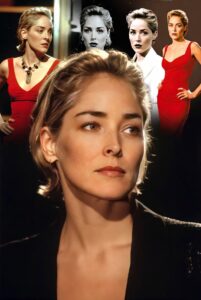
In her early years, Stone was ambitious and resilient but also insecure. Born in 1958 in Meadville, Pennsylvania, she moved to New York as a teenager to model and pursue acting. The 1980s were a period of struggle — small roles, constant auditions, and the challenge of being seen beyond her beauty. When stardom arrived with Basic Instinct (1992), it brought intense fame but also personal cost. The sudden spotlight, objectification, and typecasting created a disconnect between her public image and private self. During this phase, Stone has admitted she often sought validation externally, struggling with the expectations placed on a sex symbol in a male-dominated industry.
The late 1990s marked a period of professional success but emotional turbulence. Multiple relationships and a high-profile marriage to Phil Bronstein ended in divorce. Stone began questioning the superficial values Hollywood often celebrates. However, her deepest growth was catalyzed by crisis. In 2001, at age 43, she suffered a near-fatal brain hemorrhage and stroke. Given only a 1% chance of survival, she spent months relearning basic functions — walking, speaking, reading. The experience stripped away ego and forced her into stillness. Stone has repeatedly described it as her “rebirth,” a painful awakening that shifted her priorities from career and image to health, gratitude, and meaning.
Post-recovery, her growth accelerated. She embraced motherhood, adopting three sons — Roan in 2000, Laird in 2005, and Quinn in 2006. Raising them as a single mother grounded her and taught unconditional love. Philanthropy became central to her life. Her long-term commitment to amfAR and AIDS awareness, along with advocacy for women’s rights and brain health, gave her a stronger sense of purpose. These efforts transformed personal suffering into service.
In her 50s and 60s, Stone’s growth manifested as radical self-acceptance. She began speaking openly about aging, mental health, and the importance of inner beauty. Rejecting heavy cosmetic intervention, she chose to age naturally and encouraged other women to do the same. Her creative pursuits — painting and writing — became outlets for emotional expression and healing. Interviews from this period reveal a more philosophical, reflective woman who values presence, forgiveness, and authenticity over external success.
Today, at 68, Sharon Stone radiates quiet confidence and emotional intelligence. She continues acting selectively in projects like Ratched and Euphoria, but her greatest role is that of a wise mentor and mother. She speaks with warmth about lessons learned through failure, loss, and recovery, often sharing insights on social media about resilience and living fully.
Sharon Stone’s personal growth illustrates that evolution rarely happens in comfort. It is forged through adversity, honest self-examination, and the courage to change. From a young woman chasing stardom to a mature icon embracing life’s deeper truths, her journey inspires many to view challenges not as endings, but as opportunities for profound personal transformation.
Leave a Reply