Sharon Stone’s Health Struggles and Triumphs
Sharon Stone’s life is a powerful example of resilience in the face of life-threatening adversity. While known for her glamorous Hollywood image and award-winning performances, her greatest battle occurred off-screen in 2001 when she suffered a near-fatal stroke at age 43. Her journey from the brink of death to full recovery and renewed purpose stands as one of the most inspiring chapters in her remarkable story.
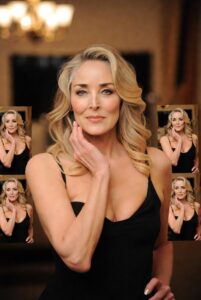
In September 2001, Stone experienced an excruciating headache that felt like “an explosion” in her head. Rushed to the hospital, she was diagnosed with a subarachnoid hemorrhage — a severe type of stroke caused by bleeding in the brain. Doctors gave her only a 1% chance of survival. She underwent emergency surgery to repair a vertebral artery dissection. The ordeal left her with significant challenges: temporary memory loss, speech difficulties, balance problems, and partial vision impairment. For months, simple tasks like remembering names or walking without assistance felt monumental.
The recovery process was grueling. Stone spent years rebuilding her body and mind. She has spoken candidly about the isolation and fear she felt during this period. In her 2021 memoir The Beauty of Living Twice, she revealed how the stroke changed her perception of life, making her more spiritual and grateful. She described relearning how to speak, read, and even recognize people. The physical trauma was compounded by emotional pain as Hollywood largely abandoned her during her recovery. Roles dried up, and she faced the harsh reality of ageism and the industry’s disposability of women.
Despite these setbacks, Stone transformed her struggle into triumph. She raised three adopted sons — Roan, Laird, and Quinn — as a single mother, finding strength in motherhood. Her slow but determined comeback included standout performances in films like Broken Flowers (2005) and later projects such as The Laundromat and television appearances. She used her platform to advocate for health awareness, particularly brain health and women’s medical issues, after experiencing misdiagnosis early on.
Stone has emphasized the importance of listening to one’s body and seeking proper medical care. Her stroke also deepened her commitment to philanthropy. Long involved with amfAR for HIV/AIDS research, she channeled her experiences into greater empathy and purpose. Today, at 68, she maintains an active lifestyle, practices mindfulness, and continues acting while embracing aging with confidence.
Sharon Stone’s health journey illustrates the power of perseverance. What could have ended her career became a catalyst for personal growth. She often says the stroke taught her that “it’s not how you fall, it’s how you get up.” Her story resonates with many facing health crises, showing that vulnerability can lead to greater strength and authenticity.
From a Pennsylvania farm girl who became a global icon to a survivor who rebuilt her life after near tragedy, Stone’s triumphs outweigh her struggles. She remains a symbol of resilience, proving that true beauty and power emerge not despite adversity, but because of how we overcome it.
Leave a Reply