Sharon Stone on Directing and Creative Control
Sharon Stone has long been a vocal advocate for greater creative control in Hollywood, both as an actress and as a creative force. While she has not yet directed a major feature film, her insights into the director’s role, artistic integrity, and the need for autonomy reveal a deep understanding of what makes great cinema — and why women in the industry have historically fought for more power behind the camera.
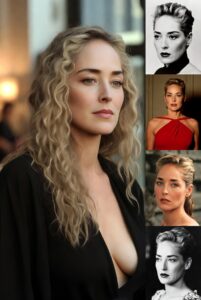
Stone has praised directors who create space for collaboration and truth. She has highlighted Paul Verhoeven (Basic Instinct) as someone who allowed her to bring an “angel” through her performance, trusting her instincts. In contrast, she has openly discussed challenging experiences with directors who prioritized control over collaboration, including reflections on The Quick and the Dead where she felt a lack of loyalty from the team.
The Importance of Artistic Integrity
In interviews, Stone emphasizes that true directing requires more than technical skill. “What I have learned is that artistic integrity never changes,” she stated. For her, great directors protect the soul of a project while empowering actors to deliver authentic performances. She believes filmmaking should explore the “human condition” rather than male fantasies, praising the rise of female directors, writers, and producers who are shifting narratives away from objectification.
Stone’s own experiences with limited control in major films — from pay disparities to on-set dynamics — fueled her desire for more agency. After her 2001 stroke and personal challenges, she became more selective, setting firm boundaries. In a 2024 interview, she spoke of finally grasping “limits” and control: “There’s a limit to me… I’m in control.” This mindset extends to her creative life.
Painting as Ultimate Creative Freedom
When Hollywood roles became less fulfilling, Stone turned to painting for complete creative control. She paints up to 17 hours a day, describing it as letting the “creative faucet flow.” Unlike acting, where scripts, directors, and producers shape the final product, painting allows her to express emotions, experiences, and visions without external approval. Her abstract, expressionistic works have been exhibited and reflect personal resilience.
She has noted that while she still acts in projects like Nobody 2 and upcoming films, painting gives her the autonomy she sometimes lacked in her acting career. This pivot demonstrates her philosophy: creativity should nourish the artist, not drain them.
Lessons on Empowerment and Collaboration
Stone encourages actors — especially women — to fight for meaningful involvement. She famously kept the Basic Instinct script for months and pushed relentlessly for the role, showing proactive control over her destiny. Today, she advocates for environments where performers contribute ideas rather than just executing directions.
Her message is clear: directing and creative control are about integrity, humanity, and courage. In an industry still grappling with power imbalances, Stone’s evolution from on-screen icon to multifaceted artist serves as inspiration. Whether behind the camera one day or through her paintings, she continues to model what it means to age beautifully while claiming space as a creator.
As more women take directing roles, Stone’s perspective remains relevant: great art emerges when artists — regardless of age or gender — are given (or take) the freedom to tell truthful stories.
Leave a Reply