Jennifer Aniston’s healing journey through family wounds before losing her mother forever.
Jennifer Aniston’s path to emotional freedom is a testament to courage, therapy, and the quiet power of forgiveness. Long before the world knew her as Rachel Green, Aniston carried deep family wounds inflicted during a turbulent childhood. Her healing journey—painful, intentional, and ultimately liberating—unfolded over decades and reached a poignant conclusion in the final weeks before she lost her mother forever.
Born in 1969, Aniston grew up in the shadow of her parents’ unhappy marriage. Her father, Greek-American actor John Aniston, and her mother, model and actress Nancy Dow, divorced when Jennifer was nine. The split left lasting scars. Raised primarily by her mother, young Jennifer faced constant criticism about her appearance, weight, and behavior. Nancy, shaped by her own insecurities and the harsh standards of her modeling days, often made cutting remarks that eroded her daughter’s self-worth. Aniston has spoken candidly about feeling “never good enough,” teased at school for being “chubby” while receiving similar judgments at home. She witnessed emotional unkindness between her parents and later described the household as one that “felt unsafe.”
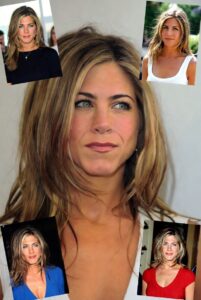
The rift deepened in the late 1990s. In 1999, Nancy published the memoir From Mother and Daughter to Friends, which included unflattering details about their relationship and Jennifer’s life. The book felt like a profound betrayal. Aniston did not invite her mother to her 2000 wedding to Brad Pitt, and the two became estranged for years—sometimes reported as nearly a decade. During this period, Aniston focused on her skyrocketing career with Friends, but privately grappled with the pain of abandonment and criticism that echoed into her adult relationships.
Healing began in earnest after Aniston’s very public divorce from Pitt in 2005. Life’s upheaval prompted reflection. She sought therapy to unpack childhood trauma, including the emotional neglect and harsh words that had left “deep wounds.” In interviews, she reflected that her mother’s criticism wasn’t born of malice but of her own unresolved pain: “My mom said those things because she really loved me. It wasn’t her trying to be a b*tch or knowing she would be making some deep wounds that I would then spend a lot of money to undo.” Aniston also credited watching her mother hold onto resentment as a powerful lesson in what not to become.
By the mid-2010s, mother and daughter had begun tentative steps toward reconciliation. They reconnected after years apart, sharing “baby steps” of conversation and understanding. Despite ongoing health struggles—Nancy suffered strokes in 2011 and 2012 that left her unable to walk or speak easily—Aniston quietly supported her mother financially in her final years. Reports indicate she paid most of Nancy’s bills even during periods of estrangement.
The most meaningful chapter came in May 2016. Just two weeks before Nancy Dow passed away at age 79 after a long illness, Jennifer visited her mother. In that brief window, they found space for forgiveness and closure. Aniston later spoke of having forgiven her mother, her father, and her family as a whole. In a 2022 Allure interview, she said, “I forgave my mom… It’s toxic to have that resentment, that anger. I learned that by watching my mom never let go of it.”
Nancy’s death brought a complex mix of grief and gratitude. Aniston released a statement acknowledging the complicated bond while cherishing happier times. Years of therapy, self-work, and deliberate choice to release bitterness allowed her to mourn without being consumed by old pain.
Today, at 57, Jennifer Aniston continues her healing journey. She has built chosen family through close friendships, embraced personal growth, and spoken openly about breaking cycles of emotional harm. Her story shows that healing family wounds does not always mean perfect reconciliation or erasing the past—it means understanding, forgiving where possible, and choosing not to let pain dictate the future.
Before losing her mother forever, Aniston did the hardest work: she faced the wounds, named them, and gently let them go. In doing so, she transformed inherited pain into profound personal strength—an inspiration for anyone carrying similar scars.
Leave a Reply