Jennifer Aniston was once criticized for her looks — here’s how she turned it into pure strength.
Jennifer Aniston, celebrated today as one of Hollywood’s most enduring beauties, was not always seen that way. As a child, she endured harsh criticism that could have shattered her self-worth. Teased at school for being “a little on the chubby side,” she was often the target of bullies during fifth through seventh grade. At home, the criticism cut even deeper. Her mother, former model and actress Nancy Dow, was “very critical” of her appearance, frequently commenting on her weight, looks, and perceived shortcomings. Aniston has recalled feeling she was “never good enough,” with remarks that left lasting emotional scars. Combined with her parents’ divorce at age nine and her father’s absence, these early experiences created deep insecurities about her body and beauty.
Rather than letting those voices define her, Aniston transformed the pain into fuel for resilience. She discovered acting in her teens and threw herself into the craft, attending New York’s LaGuardia High School of the Performing Arts. Early struggles in Hollywood—odd jobs as a waitress, bike messenger, and telemarketer while facing audition rejections—built grit. Landing the role of Rachel Green on Friends in 1994 changed everything externally, but internally, the work of self-acceptance continued.
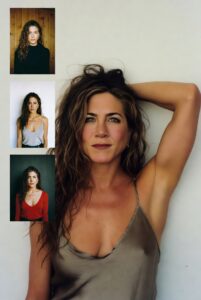
The public scrutiny only intensified with fame. Tabloids obsessively commented on her body, labeling photos as “fat-shaming” or speculating wildly about pregnancy and weight fluctuations. In 2016, Aniston reached a breaking point. She penned a powerful essay for HuffPost titled “For the Record,” declaring she was “not pregnant, just fed up.” She called out the damaging cycle of body-shaming, pregnancy-shaming, and reducing women’s worth to appearance or motherhood. “It’s incredibly damaging,” she said, highlighting how such obsession harms not just celebrities but young women everywhere.
This public pushback marked a turning point. Aniston began speaking openly about her healing journey. Through therapy, she addressed childhood wounds, understanding that her mother’s criticism stemmed from her own unresolved pain rather than malice. She chose forgiveness, releasing resentment that could have poisoned her. “I forgave my mom,” she later shared, recognizing that holding onto anger is toxic.
Aniston reframed beauty on her own terms. She rejects phrases like “you look great for your age,” calling them outdated and reductive. Her philosophy centers on inner strength: optimism, positivity, consistent self-care, and feeling good rather than chasing impossible standards. She focuses on health, mindfulness, and gratitude instead of perfection. Roles like the raw, unglamorous performance in Cake (2014) and her nuanced work on The Morning Show further proved her depth beyond surface-level looks.
Today, at 57, in a supportive relationship with wellness coach Jim Curtis and thriving professionally, Aniston radiates confidence that comes from within. She has turned early criticism into advocacy, using her platform to challenge harmful beauty norms and empower others.
Jennifer Aniston’s story shows that external judgment—whether from bullies, family, or tabloids—loses power when met with self-compassion and deliberate growth. What began as pain became pure strength: the quiet, unshakeable confidence of a woman who defines her worth for herself.
Leave a Reply