Fresh Epstein Documents Expose Connections to Several Royal Houses Worldwide
Recent releases from the U.S. Department of Justice have unveiled millions of pages tied to Jeffrey Epstein’s investigations, uncovering previously undisclosed associations between the convicted sex offender and members of various royal families. These files, spanning emails, correspondence, photographs, and other records, have sent ripples through European and Middle Eastern monarchies, amplifying scrutiny on elite networks that once granted Epstein extraordinary access.
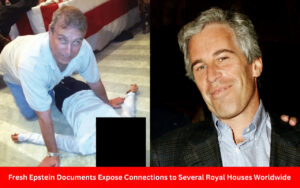
The British monarchy remains at the epicenter of the storm. Andrew Mountbatten-Windsor—formerly Prince Andrew—features prominently, with new details emerging about his interactions with Epstein post-2008 conviction. Emails suggest he shared sensitive trade reports from his time as UK international trade envoy, including itineraries and investment insights from trips to Southeast Asia. These revelations prompted Thames Valley Police to launch an inquiry into potential misconduct in public office, leading to his arrest in February 2026 (though he was released after questioning and remains under investigation). The scandal contributed to King Charles III formally stripping him of his princely title and royal honors in late 2025, effectively ending any prospect of return to official duties.
Beyond the UK, Norway’s royal family faces intense pressure. Crown Princess Mette-Marit, wife of heir Crown Prince Haakon, appears thousands of times in the documents, with extensive email exchanges showing a friendship that persisted after Epstein’s initial guilty plea. She borrowed his Palm Beach property in 2013 and expressed regret over the association, but the depth of contact—revealed in the latest batch—has sparked rare political commentary from Prime Minister Jonas Gahr Støre criticizing her judgment. Charities have reviewed or severed ties, and public debate questions her future role as queen consort.
Other European royals surface in the files as well. In Belgium, Prince Laurent (brother of King Philippe) is mentioned, with claims Epstein sought introductions to his parents for business networking. Spain’s former King Juan Carlos I has been referenced in broader Epstein contexts, though his exile in Abu Dhabi predates these releases and stems from separate financial controversies. The documents highlight Epstein’s pattern of leveraging connections to royals for influence and introductions to wealthy circles.
Reports also point to mentions of Middle Eastern royal figures, though specifics remain limited in public summaries. Historians and commentators note Epstein’s strategy of cultivating “politically exposed persons” across borders, using his wealth to infiltrate high society and gain favors or information.
None of the royal mentions automatically indicate criminal involvement—many involve social or professional contacts—but the sheer volume has fueled demands for transparency and accountability. European authorities have responded more aggressively than in the U.S., with arrests, resignations, and probes contrasting with quieter handling stateside.
These disclosures continue to erode trust in institutions long shielded by tradition and discretion. For affected monarchies, the fallout includes reputational damage, internal crises, and renewed calls for reform. Epstein’s web, once hidden behind redactions, now lays bare how power and privilege intersected with exploitation, leaving royal houses grappling with the consequences long after his death
Leave a Reply