Bombshell Epstein Investigation: Cadaver Dogs Search Zorro Ranch for Possible Human Remains Amid Survivor Claims
In a dramatic escalation of the Jeffrey Epstein case, authorities in New Mexico have launched a large-scale search for human remains at the financier’s former Zorro Ranch, deploying elite cadaver dogs based on survivor testimonies alleging that girls were killed and secretly buried on the sprawling estate. What was once a luxurious 7,500-acre retreat in the high desert has transformed into an active crime scene, with long-suppressed accusations now exploding into public view and drawing intense national attention.
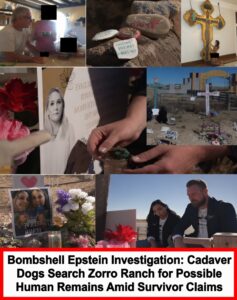
The operation, conducted in early March 2026 by the New Mexico Department of Justice in coordination with state police and local K-9 teams, utilized four specialized cadaver dogs — Shamus, Gingersnap, Greta, and Mini — along with drones and ground vehicles. Investigators focused on areas around the main mansion, a dug-up pit, a yurt, and ground depressions identified as potentially suspicious. The search was prompted by resurfaced claims in newly released Epstein files, including a 2019 email from an alleged former ranch employee alleging that two foreign girls died during extreme sexual encounters and were buried in the hills near the property.
Survivors have described Zorro Ranch as a remote site where Epstein and associates allegedly trafficked and abused young women and girls, far from public scrutiny. Virginia Giuffre and others have recounted being flown to the isolated compound, where luxurious facilities masked horrific exploitation. The ranch’s vast size — more than 10,000 acres including leased public land — made thorough searches difficult in the past, allowing suspicions of hidden crimes to linger for years.
State officials have remained tight-lipped about specific findings, but the deployment of cadaver dogs signals serious consideration of the most grave allegations. Public records released in April 2026 detail the scope of the effort, reigniting questions about accountability and what may have occurred on Epstein’s properties beyond the well-known locations in New York, Florida, and the Caribbean.
The development has turned Zorro Ranch into a focal point of renewed scrutiny. A legislative “truth commission” in New Mexico is also examining broader allegations of sex trafficking at the site. As investigators follow leads from survivor statements and old tips, the central question looms large: how many bodies might still be waiting to be found on this remote desert land?
No human remains have been publicly confirmed as recovered so far, and officials emphasize that the investigation remains ongoing. Experts note the challenges of searching such expansive terrain years after the alleged events, with environmental factors potentially complicating detection. Nevertheless, the mere fact of the search has shattered any remaining illusions that Epstein’s crimes were limited to known victims and documented locations.
Critics argue the probe is long overdue, pointing to federal inaction in the years following Epstein’s 2019 death. Supporters of thorough investigation hope it will bring closure to families and expose any additional complicity. As cadaver dog searches and forensic efforts continue, the Epstein saga once again demonstrates its capacity to deliver new shocks, forcing society to confront the darkest possibilities of what unfolded in these elite enclaves.
The full truth about Zorro Ranch may take months or years to emerge, but this latest chapter ensures the estate’s sinister legacy will not be forgotten. For survivors and the public alike, every unturned stone represents another chance at justice — and a reminder of how deeply the scandal continues to unfold.
Leave a Reply