Before the Big Game: Bad Bunny’s Unexpected Confrontation with Critics Ignites Global Debate
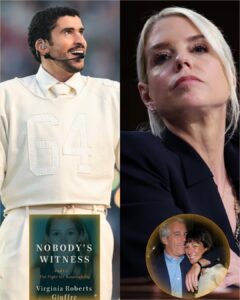
On the afternoon of February 9—just hours before Super Bowl LX kicked off—Puerto Rican superstar Bad Bunny found himself at the center of a confrontation no one expected: not on the football field, but in the arena of culture, politics, and media.
What began as anticipation for his historic halftime performance soon evolved into a flashpoint of national conversation. Bad Bunny’s halftime show later that night would make history as the first solo artist to perform almost entirely in Spanish on the Super Bowl’s biggest stage, drawing millions of viewers around the world. But on the day of the game, the backlash swirling around him hit a boiling point.
The confrontation wasn’t a physical altercation—it was ideological. In the hours leading up to the kickoff in Santa Clara, California, conservative lawmakers and commentators launched an unprecedented attack on the artist’s Super Bowl appearance, framing it as an affront to American values. Tennessee Republican Rep. Andy Ogles pushed for a congressional investigation into the halftime show, denouncing the performance as “explicit and indecent” and urging federal regulators to scrutinize the NFL and broadcasters, despite no explicit sexual content having aired.
The controversy spilled into social media and local venues. In St. Petersburg, Florida, a sports bar called The Zoo Club became an unlikely flashpoint after choosing to air a counter-programmed halftime event instead of Bad Bunny’s performance. Patrons and community members confronted bar staff in person and online, and the establishment’s review pages were flooded with negative posts—an outcome some dubbed a grassroots pushback against perceived cultural exclusion.
Political figures added fuel to the fire. Former U.S. President Donald Trump openly criticized Bad Bunny’s halftime show on social platforms, calling the performance “absolutely terrible” and suggesting it was disrespectful to the country. Trump’s comments came as part of a broader narrative pushed by conservative media that framed the artist’s inclusion as controversial.
Meanwhile, the cultural clash was unfolding in real time across streaming platforms and music charts. Despite—or perhaps because of—the heated reactions, Bad Bunny’s music saw explosive gains on February 9. According to industry tracking, his streams in the United States jumped by an astonishing 175 percent compared to the previous day, highlighting how the controversy may have amplified public interest ahead of the big game.
For Bad Bunny, the confrontation represented a collision of art and identity. Long celebrated for bringing Latin culture into mainstream spaces, he stood at the crossroads of entertainment and sociopolitical debate. While critics seized on isolated comments and performance elements, millions of fans interpreted his platform as a celebration of diversity and inclusivity on one of the world’s largest broadcast stages.
By the time the Seahawks and Patriots took the field, what had seemed like background chatter transformed into a global dialogue. The “confrontation before the Super Bowl” wasn’t a momentary clash—it was a sign of how deeply culture and politics have intertwined in 2026, and how a musical performance can suddenly become a talking point that echoes far beyond the stadium lights.
Leave a Reply