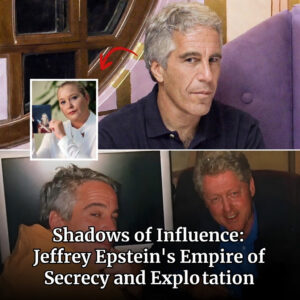
Shadows of Influence: Jeffrey Epstein’s Empire of Secrecy and Exploitation
Jeffrey Epstein’s shadow still looms—a sprawling tale of unchecked power, engineered secrecy, and the profound harm inflicted on vulnerable lives beneath it all.
From the opulent seven-story Manhattan townhouse on East 71st Street—where Epstein entertained elite guests in a 21,000-square-foot palace of marble and discretion—to the remote 72-acre Little St. James in the U.S. Virgin Islands, his properties served as carefully curated environments for exploitation. Investigators and court filings describe how these locations formed the backbone of an alleged sex-trafficking operation that spanned decades.
The Manhattan residence, often called a hub for high-profile networking, allegedly hosted encounters involving underage girls trafficked into Epstein’s circle. Accusers, including Virginia Giuffre, detailed being brought there for “massages” that escalated into sexual abuse, with powerful figures reportedly present or implicated. The townhouse’s privacy—thick walls, gated entry, and layers of staff—helped insulate activities from scrutiny.
Little St. James, nicknamed “Pedophile Island” in media reports, represented the most isolated and fortified node. Purchased in 1998 for nearly $8 million, the island featured villas, a helipad, and infrastructure that allowed Epstein to transport young women and girls via helicopter or boat from St. Thomas. Lawsuits from the U.S. Virgin Islands Attorney General alleged that between 2001 and 2018, Epstein and accomplices trafficked, raped, sexually assaulted, and held captive underage victims there—some as young as 11—using a computerized database to track them. The adjacent Great St. James, bought in 2016, reportedly expanded the shield, blocking views and hindering detection by law enforcement or the public.
Investigators point to a deliberate system built on influence and intimidation. Epstein allegedly hired private investigators to stalk accusers, sit outside homes in black SUVs, question associates, and deliver veiled threats: those who helped would be compensated; those who hurt him would be “dealt with.” Witnesses reported campaigns of harassment during the 2005 Florida probe, including chasing cars and pressuring silence. His wealth funded aggressive legal tactics, non-disclosure agreements, and settlements that kept details buried.
The harm ran deep. Survivors described grooming, forced labor, sexual exploitation, and psychological control—creating environments where escape felt impossible. Giuffre, one of the most vocal, alleged being trafficked to the Manhattan townhouse, London locations, and Little St. James for encounters with Epstein and others, including Prince Andrew. Her accounts, supported by flight logs, photos, and court documents, highlighted how vulnerability was exploited within networks of privilege.
Even after Epstein’s 2019 death in custody—ruled a suicide—and Ghislaine Maxwell’s 2021 conviction, questions persist. Unsealed files reveal connections to dozens of names, though many deny wrongdoing. Ongoing pressure for full transparency continues, as survivors and advocates argue that secrecy protected the powerful far too long.
Epstein’s world was not built on chance but on calculated barriers: remote islands, fortified homes, legal maneuvers, and intimidation. The lives harmed—young people silenced, traumatized, and dismissed—stand as the enduring cost. His shadow lingers not because the story is unresolved, but because the systems that enabled it have yet to fully dismantle.
Leave a Reply