On Christmas Eve 2025, the Department of Justice stunned the nation with an announcement: the FBI and Southern District of New York prosecutors had “uncovered” over a million additional documents potentially linked to Jeffrey Epstein’s sex trafficking network. This bombshell came days after the DOJ partially complied with the December 19 deadline set by the Epstein Files Transparency Act, a law signed by President Trump requiring full disclosure of all unclassified records.
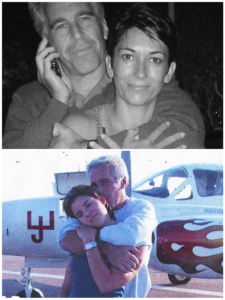
Initial releases included thousands of pages—photos of Epstein with figures like Bill Clinton and Donald Trump, flight logs, and investigative memos—but heavy redactions and missing files drew immediate criticism. Lawmakers like Reps. Ro Khanna and Thomas Massie, the act’s sponsors, accused the DOJ of defiance, threatening contempt proceedings. Victims’ advocates decried the delays as prioritizing elite protection over justice.
The sudden discovery of over a million more documents—potentially doubling the trove—intensifies scrutiny. Officials claim lawyers are reviewing them “around the clock” for victim redactions, estimating weeks for release. But why weren’t these found earlier? The DOJ had months to prepare, repeatedly assuring exhaustive searches. Earlier in 2025, a memo concluded no “client list” or blackmail evidence existed, and Epstein’s death was suicide. This new cache, from the same offices that prosecuted Epstein and Ghislaine Maxwell, suggests either monumental oversight or strategic withholding.
Bipartisan outrage has erupted. Democrats like Senate Minority Leader Chuck Schumer called it proof of a “massive cover-up.” Republicans, including Massie, demand full compliance. The act prohibits redactions for “embarrassment or political sensitivity,” yet broad exemptions for ongoing probes allow delays.
These hidden files could rewrite history. They may detail Epstein’s web—spanning presidents, billionaires, and institutions—that evaded accountability for decades. Photos and logs already show proximity: Trump flew on Epstein’s jet multiple times in the 1990s; Clinton appears in undated images. No mythic “client list” has emerged, but associations highlight impunity for the powerful.
The drip-feed approach—partial releases amid “discoveries”—fuels distrust. Transparency was promised to end speculation, yet managed disclosures prolong it. Victims deserve unredacted truth; the public demands answers about enablers.
If these million documents reveal unchecked predation or institutional failures, they could shatter illusions of justice. Until fully released, Epstein’s shadow lingers, reminding us power often shields itself.
Leave a Reply