Netflix’s Jeffrey Epstein: Filthy Rich—the unflinching four-part docuseries released in May 2020—pried open the doors to Epstein’s secret mansions and private island for the first time on a global scale, exposing spaces where power once buried truth and silenced survivors.
Directed by Lisa Bryant and executive-produced by James Patterson (author of the book on which it’s based), the series takes viewers inside Epstein’s Palm Beach mansion, New York townhouse, New Mexico ranch, and the infamous Little Saint James island—locations long shrouded in mystery. Rare footage, including police walkthroughs from the 2005 Palm Beach raid, reveals massage rooms stocked with sex toys, hidden cameras, and walls lined with photos of young girls. Survivors like Virginia Giuffre, Maria Farmer, and Chauntae Davies guide the tour, their voices steady but laced with pain as they describe grooming, abuse, and isolation in these opulent prisons.
The docuseries doesn’t just show the spaces—it indicts the system that protected them. Flight logs, victim testimonies, and interviews with former staff expose how Epstein’s wealth and connections—private jets ferrying elites, island retreats masking predation—silenced complaints for decades. Giuffre recounts her recruitment at 16 from Mar-a-Lago, leading to years of trafficking, while Farmer details reporting Epstein to the FBI in 1996, only to be ignored.
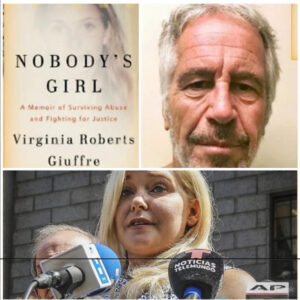
Filthy Rich’s impact endures: it humanized survivors when media often sensationalized Epstein, contributing to his 2019 arrest and Maxwell’s 2021 conviction. Resurfaced amid 2025 file disclosures and Giuffre’s Nobody’s Girl (October 21, 2025), the series remains a stark reminder: these weren’t just houses—they were fortresses where truth was buried, until survivors pried them open.
Leave a Reply