In a series of bombshell revelations from late 2025, freshly uncovered emails from Jeffrey Epstein’s estate have cast serious doubt on statements made by Ghislaine Maxwell during her unusual interviews with Deputy Attorney General Todd Blanche. The emails, released in batches by House Democrats and the Department of Justice under the Epstein Files Transparency Act, directly contradict Maxwell’s claims to Blanche, raising questions about whether she deliberately withheld or misrepresented critical information.
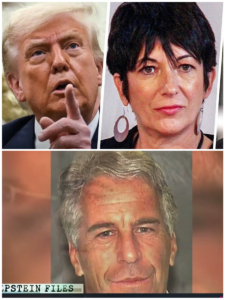
In July 2025, Blanche—former personal attorney to President Donald Trump—conducted two days of in-person interviews with Maxwell at a federal facility in Florida. The meetings were highly unorthodox, involving the second-highest DOJ official personally questioning a convicted sex trafficker. Maxwell, serving a 20-year sentence for recruiting and grooming underage girls for Epstein, was granted limited immunity for her responses. She repeatedly denied witnessing any inappropriate behavior by prominent figures, including Trump, and downplayed associations with Epstein’s network.
Maxwell told Blanche she had never seen Trump in any compromising situations and described their interactions as cordial but limited. She also claimed minimal knowledge of certain visitors to Epstein’s properties. However, emails uncovered months later paint a different picture. One 2011 exchange between Epstein and Maxwell refers to Trump as “the dog that hasn’t barked,” with Epstein noting that an alleged victim had spent “hours at my house” with Trump. Maxwell responded affirmatively, suggesting awareness of deeper connections.
Other emails highlight Maxwell’s role in managing Epstein’s relationships with high-profile individuals, including discussions about discrediting accusers and circulating information. These messages, part of thousands released in November and December 2025, show Maxwell’s intimate involvement in Epstein’s operations—details she appeared to minimize during her DOJ sessions.
Critics, including legal experts and lawmakers like Rep. Jamie Raskin, argue the discrepancies “debunk and discredit” Blanche’s interview. Conservative attorney George Conway called the questioning either “completely incompetent” or “intentionally crafted not to elicit facts incriminating Trump.” Blanche has defended the process, emphasizing transparency by releasing transcripts and audio, but acknowledged in November that the new emails undermined some of Maxwell’s statements.
The timing adds controversy: Shortly after the interviews, Maxwell was transferred to a minimum-security camp in Texas, where leaked prison emails revealed privileges like warden-assisted communications and perks unavailable to others. While no direct quid pro quo has been proven, the sequence fueled speculation.
As more files emerge on a rolling basis—despite a legal deadline for full release—these contradictions highlight potential gaps in the DOJ’s probe. Victims’ advocates demand further scrutiny, insisting Maxwell’s withholdings protected powerful associates. For survivors, the emails validate long-held suspicions that Epstein’s enablers, including Maxwell, continued shielding the full truth.
This saga underscores ongoing debates over accountability in the Epstein case. With redactions persisting and political ties lingering, the uncovered emails serve as a stark reminder: key details may still be hidden.
Leave a Reply