On Christmas Eve 2025, the Department of Justice announced a stunning development: the FBI and the U.S. Attorney’s Office for the Southern District of New York had “uncovered” over a million additional documents potentially related to the Jeffrey Epstein investigation. This revelation came just days after the DOJ missed the December 19 deadline mandated by the Epstein Files Transparency Act, a bipartisan law signed by President Trump on November 19, 2025, requiring full disclosure of all unclassified Epstein-related records.
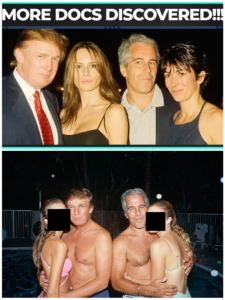
The act, championed by Reps. Ro Khanna (D-CA) and Thomas Massie (R-KY), aimed to end years of speculation by compelling the release of investigative materials, flight logs, communications, and names of associated individuals—excluding victim identities or ongoing probes. Initial releases on December 19 included thousands of pages with heavy redactions, photos of high-profile figures like Bill Clinton and Donald Trump, and flight records. Subsequent drops followed, but critics noted excessive blackouts shielding non-victims and incomplete compliance.
The sudden “discovery” of over a million more documents—potentially pushing the total to 1.7 million—has ignited bipartisan outrage and skepticism. The DOJ claims lawyers are working “around the clock” to redact victim information, estimating “a few more weeks” for release. Yet this timing raises profound questions: Why were these files not identified earlier, despite months of preparation and prior assurances of exhaustive reviews?
Earlier in 2025, the DOJ and FBI stated they found no “client list” or blackmail evidence, concluding Epstein’s death was suicide. Officials had repeatedly affirmed possession of all materials. The new trove, sourced from the same offices that prosecuted Epstein and Ghislaine Maxwell, suggests either incompetence or deliberate withholding. Lawmakers like Khanna and Massie, who threatened contempt proceedings, credited their pressure for the announcement, implying the files surfaced only under duress.
Victims’ advocates decry the delays as a “slap in the face,” arguing over-redactions protect elites rather than survivors. Democrats accuse the Trump administration of a cover-up; some Republicans demand full compliance. The act prohibits redactions for “embarrassment or political sensitivity,” yet broad exemptions for “active investigations” provide leeway.
This episode underscores systemic opacity: powerful networks linked to Epstein—spanning politics, finance, and entertainment—have evaded full scrutiny for decades. The “sudden” find fuels theories of concealment, eroding trust in institutions pledged to transparency. What incriminating details, if any, lurk in these hidden files? Until released unredacted, the public remains in the dark, and Epstein’s web of influence endures unchecked.
Leave a Reply