Maria Farmer’s courageous 1996 alert about Epstein went unheard, a heartbreaking oversight that cost countless survivors their safety.
In the summer of 1996, artist Maria Farmer became one of the earliest whistleblowers against Jeffrey Epstein, sounding an alarm that authorities tragically ignored. After being sexually assaulted by Epstein and Ghislaine Maxwell at his Ohio property—owned adjacent to Les Wexner’s estate—and discovering they had stolen nude photographs she had taken of her underage sisters for artwork, Farmer took decisive action. She first reported to the New York Police Department on August 29, 1996, then followed up with multiple calls to the FBI, detailing assault, child pornography possession, potential trafficking, and Epstein’s extensive surveillance systems.
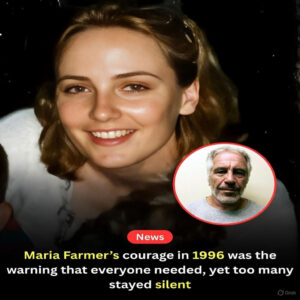
The FBI documented her complaint on September 3, 1996, categorizing it under “child pornography.” Farmer alleged Epstein had pried open a lockbox containing the images, transported them across state lines, and possibly sold them. She warned of ongoing abuse of minors and even mentioned powerful associates. Yet, shockingly, the agent reportedly hung up mid-sentence, with no follow-up investigation. Epstein continued unchecked for decades.
For years, Farmer faced doubt and dismissal, accused of fabricating her story. She lived in fear, hiding under aliases after threats from Maxwell, including warnings her house would be burned. Her sister Annie, abused by Epstein and Maxwell at 16, also suffered in silence initially. The sisters’ early courage highlighted systemic failures: wealth and connections shielding predators while victims were disbelieved.
Only in December 2025, with the partial release of Epstein files under the Transparency Act, was Farmer’s 1996 report publicly confirmed. She wept upon seeing it, vindicated after 30 years but devastated: “They harmed all of these little girls.” Lawyers and advocates estimate hundreds, possibly over a thousand, victims could have been spared had the FBI acted.
Farmer’s lawsuit against the government alleges negligence, demanding accountability. Her story underscores a painful truth—if authorities had heeded this 1996 warning, Epstein’s empire of exploitation might have crumbled early. Instead, inaction prolonged trauma, eroding trust in institutions meant to protect the vulnerable. As calls grow for full file disclosure and reforms, Farmer’s bravery reminds us: listening to survivors isn’t optional—it’s essential to prevent future heartbreak.
Leave a Reply