On December 2, 2021, Jeffrey Epstein’s longtime Palm Beach house manager, Juan Alessi, stepped into the witness box at Ghislaine Maxwell’s federal sex-trafficking trial, delivering chilling firsthand accounts of the daily mechanics that quietly enabled one of the most infamous predatory networks.
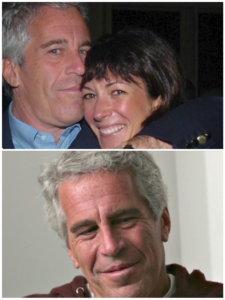
Alessi, who managed Epstein’s Florida estate from 1990 to 2002, described Maxwell as the undisputed “lady of the house.” From the moment she arrived in 1991, she asserted control, issuing orders and transforming the household into a tightly regimented operation. “She right away took over,” Alessi testified, noting Maxwell was present “95% of the time” with Epstein.
Central to his testimony was a degrading 58-page household manual Maxwell provided, filled with micromanaging checklists. The most ominous directive: “Remember that you see nothing, hear nothing, say nothing, except to answer a question directed at you.” Alessi interpreted this as a warning to remain “blind, deaf, and dumb” about activities in the home. Staff were also forbidden from looking Epstein in the eyes—Maxwell instructed Alessi to gaze elsewhere when speaking to him.
Alessi recounted routine tasks that exposed the network’s underbelly: cleaning Epstein’s massage table after up to three daily sessions, often finding used sex toys he returned to a basket in Maxwell’s closet. He drove young women, including accuser “Jane” (who appeared 14) and Virginia Giuffre, to the estate at Epstein or Maxwell’s request. Topless women by the pool were commonplace, and young visitors arrived frequently.
These revelations painted a portrait of calculated isolation and control, where staff silence shielded abuse. Alessi’s testimony corroborated victims’ claims, underscoring Maxwell’s pivotal role in normalizing and facilitating Epstein’s exploitation of vulnerable minors.
As Maxwell’s conviction later affirmed, such insider accounts proved crucial in dismantling the facade of one of history’s darkest elite networks.
Leave a Reply