As the U.S. Department of Justice released thousands of documents from the Jeffrey Epstein investigations on December 19, 2025, under the Epstein Files Transparency Act signed by President Trump, the fallout has been starkly uneven. Ghislaine Maxwell, Epstein’s convicted accomplice serving a 20-year sentence for sex trafficking minors, has maintained a composed and unyielding stance, while the Trump administration faces mounting accusations of obfuscation and selective disclosure.
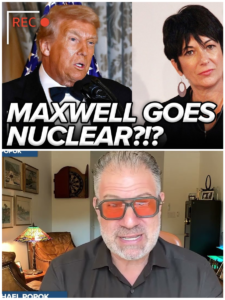
Maxwell, now 63 and incarcerated in a minimum-security facility in Texas, has shown no signs of crumbling under renewed scrutiny. In a July 2025 interview with Deputy Attorney General Todd Blanche—transcripts of which were released earlier—she denied knowledge of any Epstein “client list” and claimed she never witnessed inappropriate behavior by high-profile figures, including Trump. Maxwell has continued appealing her conviction, recently filing a habeas petition arguing a miscarriage of justice, and her prison emails reveal a surprisingly upbeat demeanor, describing improved conditions and no remorse. Transferred to the less restrictive camp amid reported threats, she appears insulated from the chaos, standing firm in her innocence narrative despite overwhelming evidence from her 2021 trial.
In contrast, President Trump and his DOJ are scrambling to contain the damage. The initial release included heavily redacted files, grand jury materials, and photos predominantly featuring figures like Bill Clinton—with Epstein and Maxwell in pools or on trips—but scant mentions of Trump. Critics from both parties blasted the over-redactions, arguing they violated the transparency law’s intent. The controversy escalated when at least 16 files, including one showing a desk drawer photo of Trump alongside Epstein, Melania Trump, and Maxwell, mysteriously vanished from the DOJ website over the weekend. Democrats accused the administration of a cover-up, while some Republicans joined calls for full disclosure.
Deputy AG Blanche defended the removals as victim-protection measures, insisting they had “nothing to do with President Trump,” and promised rolling releases through the holidays. Yet the optics are damaging: Trump, who once socialized with Epstein before a fallout, now oversees a process criticized as a “slow-drip” evasion. Bipartisan lawmakers threaten lawsuits, and victims’ advocates decry the lack of new revelations.
These disclosures add little substantive evidence of broader conspiracies but highlight Epstein’s elite connections, including royals, musicians, and politicians. For Maxwell, imprisoned yet defiant, the files reinforce her isolation without shaking her resolve. For Trump, they risk reigniting questions about his past ties, forcing defensive maneuvers amid a presidency already fraught with challenges. As more documents trickle out, the Epstein saga continues to expose power’s vulnerabilities—though true accountability remains elusive.
Leave a Reply