Newly released court records from the U.S. Department of Justice, part of ongoing disclosures under the Epstein Files Transparency Act, have revived vivid details of Ghislaine Maxwell’s 2020 arrest at her secluded New Hampshire property. The documents, including bail hearing transcripts and government filings from July 2020, paint a picture of a fortified retreat where Maxwell went to extraordinary lengths to evade detection after Jeffrey Epstein’s death.
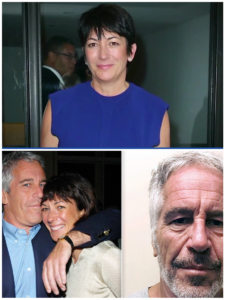
The 156-acre estate in Bradford, known as “Tucked Away,” was purchased in cash for millions in late 2019 through an anonymous LLC. Maxwell, using the alias “Janet Marshall” and posing as a privacy-seeking journalist, toured the property with a real estate agent who later recognized her from media photos. The remote location—set back from the road behind a locked gate—featured private security, adding layers of protection.
Prosecutors described the security detail as staffed by former members of the British military, hired on rotations by a company allegedly engaged by Maxwell’s brother. A guard on duty during the raid told FBI agents that Maxwell rarely left the property, instead sending security personnel to make purchases with a credit card linked to the LLC. This setup underscored her determination to remain hidden amid intensifying scrutiny over her role in Epstein’s sex trafficking network.
On July 2, 2020, FBI agents, assisted by local police, announced their presence at the gate. Maxwell ignored commands to open the door, fleeing to an interior room and shutting herself in. Agents breached the entrance to apprehend her. During a subsequent sweep, they discovered a cellphone wrapped in tin foil on a desk—a tactic prosecutors called a “seemingly misguided effort” to block law enforcement tracking, ineffective against public or media but aimed at evading official surveillance.
These details, long known from 2020 court proceedings but resurfaced in the latest DOJ batches, highlight Maxwell’s flight risk concerns that led to repeated bail denials. Convicted in 2021 on sex trafficking charges and sentenced to 20 years, Maxwell has recently petitioned for release, citing new evidence amid broader file releases.
As over a million additional documents await processing, these arrest accounts remind us of Maxwell’s calculated isolation. Victims’ advocates argue full transparency is essential to expose enablers, while the records affirm her central role in sustaining Epstein’s operations for decades. The New Hampshire hideout symbolized elite evasion—until the FBI’s dramatic breach ended her year in hiding.
Leave a Reply