During a tense House Judiciary Committee hearing on January 6, 2026, Republican Representative Thomas Massie relentlessly questioned FBI Director Kash Patel about sealed FD-302 forms—FBI summaries of witness interviews—allegedly containing victim statements naming over 20 powerful men to whom Jeffrey Epstein trafficked underage girls. Massie’s probing exposed apparent inconsistencies in the bureau’s claims of exhaustive review and lack of credible leads beyond Epstein and Ghislaine Maxwell
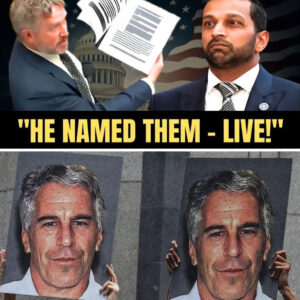
Massie, a co-sponsor of the bipartisan Epstein Files Transparency Act signed by President Trump in November 2025, cited communications with victims’ attorneys who collectively identified at least 20 names from survivor interviews documented in these 302s. “These forms capture detailed accusations against prominent figures in business, politics, and entertainment,” Massie asserted, demanding Patel confirm whether the FBI had pursued these leads or planned to release redacted versions to protect victim privacy while revealing potential accomplices.
Patel reiterated the DOJ’s position that after reviewing hundreds of thousands of pages—including materials released in December 2025—no evidence supports new charges or a formalized “client list.” He stressed victim protections and judicial constraints on grand jury materials, noting over 1,200 victims identified during the process. However, Patel acknowledged ongoing reviews of millions more documents discovered late in 2025, delaying full compliance into 2026.
The exchange highlighted bipartisan frustration with the DOJ’s staggered releases. Despite the Act’s mandate for complete unclassified disclosure by mid-December 2025, only partial batches—photos, flight logs, and court records—have emerged, often heavily redacted. Lawmakers like Massie and Democrat Ro Khanna threaten contempt proceedings against Attorney General Pam Bondi, arguing selective withholding undermines transparency.
Victim advocates, echoing Massie’s concerns, insist the 302s hold key to accountability. Survivors have long alleged Epstein’s network involved elite enablers, with interviews dating back decades naming associates. No new prosecutions have resulted from releases, and officials maintain associations do not prove complicity.
Massie’s confrontation underscores a core tension: promises of full reckoning clash with practical delays and redactions. As more files trickle out amid threats of litigation, the hearing reinforced demands for unredacted 302s, testing the administration’s commitment to exposing Epstein’s web of influence.
With midterms looming and conspiracy theories persisting despite official denials of blackmail schemes, the Epstein saga remains a litmus test for institutional trust. Massie’s push reveals gaps between transparency rhetoric and reality, leaving victims and the public awaiting substantive answers.
Leave a Reply