The Epstein Files Transparency Act, passed nearly unanimously by Congress in November 2025 and signed by President Trump, promised unprecedented public access to Jeffrey Epstein’s investigative records. Yet, as the Department of Justice (DOJ) released documents in December, heavy redactions and delays exposed a critical flaw: a loophole allowing withholdings if materials “would jeopardize an active federal investigation or ongoing prosecution.” This provision, intended to protect legitimate probes, has become a shield preventing scrutiny of powerful figures—including potential congressional ties.
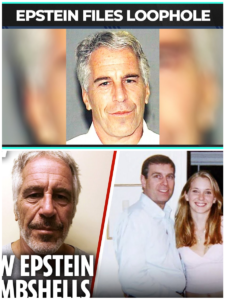
The act explicitly barred redactions based on “embarrassment, reputational harm, or political sensitivity.” It required a list of all named government officials without exception. However, the “ongoing investigation” clause proved elastic. Critics point to a pre-signing development: Trump directed Attorney General Pam Bondi to investigate Epstein’s links to prominent Democrats like Bill Clinton and Larry Summers. This created an “active” probe, enabling the DOJ to withhold or redact related files under the loophole.
By December 19—the legal deadline—the DOJ released thousands of pages but admitted incompleteness, citing victim privacy and the need for review. Over a million additional documents surfaced days later, delaying full disclosure into 2026. Many released files featured extensive blackouts: entire pages redacted, faces obscured in photos, and potential co-conspirator names hidden. Lawmakers like Rep. Ro Khanna and Rep. Thomas Massie, act co-sponsors, accused the DOJ of defiance, exploring contempt or impeachment options.
This loophole insulates Congress itself. While no direct evidence emerged of sitting members’ involvement, flight logs and contacts referenced politicians broadly. More importantly, Congress delegated enforcement to the executive branch it oversees. The DOJ, under Trump’s appointees, controls redactions and justifications. Bipartisan outrage ensued—Democrats decried cover-ups, some Republicans demanded compliance—but mechanisms for forcing release remain limited. Contempt threats ring hollow when the accused enforce the law.
The result? Partial transparency fuels speculation without accountability. Victims and advocates, including survivors’ groups, called releases a “slap in the face,” with over-redactions shielding non-victims. The clause, narrowly tailored in theory, allows indefinite delays if probes linger.
Ultimately, this single loophole transforms mandated disclosure into discretionary drip-feed. It protects the system: elites avoid full exposure, public trust erodes in spectacle, and Congress evades reckoning with any complicity. True scrutiny requires closing such gaps—yet those empowered to do so benefit from their existence.
Leave a Reply