Once a fixture in elite social circles, Ghislaine Maxwell now navigates the harsh realities of federal incarceration, where past actions behind bars continue to fuel fears of violence. The convicted sex trafficker, serving 20 years for recruiting minors for Jeffrey Epstein, faced significant threats during her time at FCI Tallahassee in Florida.
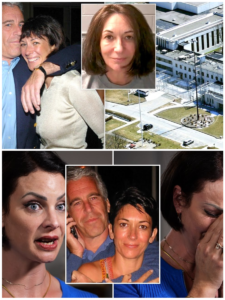
In 2023, Maxwell reportedly reported two violent Cuban inmates—known as “Las Cubanas”—for attempting to extort her over commissary items after discovering her high-profile status. The pair allegedly demanded she buy goods for them or face exposure as a “snitch.” Her complaint led to their 47-day solitary confinement, but upon release back into general population, Maxwell lived in heightened fear of retaliation. Sources described her as “freaking out,” refusing showers and requiring guard escorts to her library job.
This incident, adhering to the prison code where “snitches get stitches,” underscored Maxwell’s vulnerability. Though she taught yoga, Pilates, and etiquette classes—earning “honor dorm” privileges—the extortion episode highlighted ongoing tensions.
By August 2025, amid renewed Epstein scrutiny and her interview with Deputy Attorney General Todd Blanche, Maxwell was transferred to the minimum-security Federal Prison Camp Bryan in Texas. Officials cited “numerous threats against her life” from Tallahassee inmates labeling her a snitch, particularly after perceived cooperation. The move to a “cushier” facility with dormitory housing and fewer restrictions sparked outrage from victims and lawmakers, who decried it as preferential treatment.
As of late 2025, Maxwell reports improved conditions—cleaner, safer, with polite staff—but the shadow of past fears lingers, raising questions about justice and protection in the federal system.
Leave a Reply