In a bold and unexpected move from federal prison, Ghislaine Maxwell filed a pro se habeas corpus petition on December 17, 2025, in Manhattan federal court, demanding immediate release from her 20-year sentence for sex trafficking minors. Representing herself without an attorney, the 63-year-old British socialite argues that “substantial new evidence” proves her 2021 trial was fundamentally unfair, marred by constitutional violations that amounted to a “complete miscarriage of justice.”
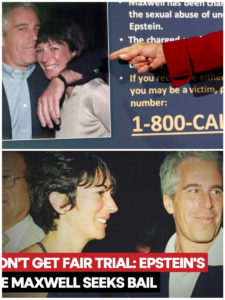
The 52-page filing, submitted under 28 U.S.C. § 2255, comes after Maxwell exhausted traditional appeals, including a Supreme Court rejection earlier this year. She cites emerging information from civil lawsuits against the FBI, financial institutions, and Jeffrey Epstein’s estate, along with depositions and government disclosures. Key allegations include juror misconduct—referencing a juror who concealed a history of sexual abuse, potentially biasing deliberations—and claims that prosecutors withheld exculpatory evidence or allowed conflicting testimony.
Maxwell asserts these issues denied her due process and an impartial jury, rights guaranteed under the Fifth and Sixth Amendments. “The cumulative effect… renders Petitioner’s conviction invalid, unsafe and infirm,” she wrote. Legal experts describe habeas petitions as rare long-shots, especially post-appeals, with success rates below 1% in federal cases.
The petition’s timing coincides with ongoing releases under the Epstein Files Transparency Act, signed by President Trump last month. That law mandates public disclosure of DOJ records related to Epstein and Maxwell, including grand jury materials. Ironically, Maxwell’s earlier counsel warned that unsealing such documents could prejudice a potential retrial—yet her filing leverages similar “new” sources to challenge the verdict.
Convicted in 2021 on five counts for recruiting and grooming underage girls for Epstein’s abuse from the 1990s to 2000s, Maxwell has maintained innocence. Her trial featured testimony from four survivors, detailing coercion and exploitation across Epstein’s properties. Prosecutors portrayed her as indispensable to the scheme.
Victims’ advocates reacted with outrage, viewing the petition as an insult to survivors’ hard-fought justice. The DOJ declined comment, and no hearing date is set. As more Epstein files emerge—some heavily redacted amid criticism—Maxwell’s bid reignites debate over accountability in one of America’s most notorious cases. Whether this daring maneuver gains traction remains uncertain, but it ensures the Epstein saga endures.
Leave a Reply