The U.S. Justice Department’s third major release of Jeffrey Epstein documents on December 23, 2025—comprising nearly 30,000 pages—has uncovered previously concealed details about federal investigators’ efforts to identify and contact potential co-conspirators in the financier’s sex-trafficking operation. Internal FBI emails from July 2019, just days after Epstein’s arrest, reference “10 co-conspirators” whom prosecutors sought to subpoena.
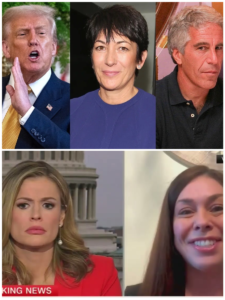
Most names remain heavily redacted to protect privacy and ongoing sensitivities, but three are unredacted: Ghislaine Maxwell, Epstein’s convicted accomplice serving 20 years; Jean-Luc Brunel, the French modeling agent accused of procuring girls for Epstein who died by suicide in 2022; and Leslie Wexner, the billionaire Victoria’s Secret founder and longtime Epstein client who has denied wrongdoing and cooperated with authorities.
One email describes a “wealthy businessman in Ohio”—widely believed to refer to Wexner—as outstanding for contact. Others note three individuals served in Florida, one each in Boston, New York City, and Connecticut. Separate memos mention drafted updates on prosecutable co-conspirators post-Epstein’s 2019 death, though no further charges materialized beyond Maxwell.
Critics, including Senate Minority Leader Chuck Schumer, demand explanations: “Who are these 10 co-conspirators? Why haven’t we seen those memos?” Victims’ advocates argue the redactions perpetuate impunity, shielding enablers who allegedly orchestrated recruitment, financing, and cover-ups in Epstein’s empire spanning decades.
With over a million additional documents recently discovered—delaying full release—these revelations intensify calls for unredacted accountability. As the only major accomplice prosecuted, Maxwell’s conviction highlights a glaring gap: why others in the shadows escaped reckoning amid evidence of a sophisticated trafficking network fueled by elite connections.
Leave a Reply