In early January 2026, a bizarre viral hoax swept across social media platforms, claiming that pop superstar Taylor Swift and late-night host Stephen Colbert had jointly auctioned a “haunting self-portrait” painted by the late Virginia Giuffre for a staggering $30 million. The fabricated story alleged the sale benefited a newly established children’s advocacy center named in Giuffre’s honor, aimed at supporting survivors of abuse. Posts on X, Facebook, and TikTok amassed millions of views, with AI-generated images depicting Swift and Colbert on stage, holding the purported artwork—a dark, evocative canvas showing a young girl in shadows.
The rumor originated from anonymous accounts on fringe forums, quickly amplified by meme pages and conspiracy-oriented groups still fixated on Epstein-related narratives. Variations claimed the auction occurred during a secret charity gala in December 2025, with proceeds funding trauma recovery programs. Some versions tied it to Giuffre’s posthumous memoir Nobody’s Girl, suggesting the painting was discovered among her belongings after her April 2025 suicide.
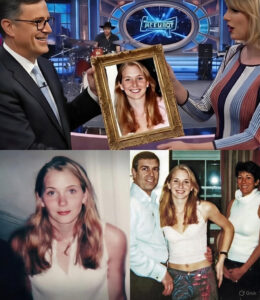
However, fact-checkers and mainstream outlets swiftly debunked the tale. No evidence exists of any such artwork by Giuffre, who was known for advocacy through her organization SOAR but never publicly as a visual artist. Taylor Swift’s representatives dismissed the claims as “entirely false,” noting her recent December 10, 2025, appearance on The Late Show with Stephen Colbert focused solely on her career, Eras Tour earnings, and personal life—no charity auctions or Giuffre mentions occurred. Colbert’s team echoed this, pointing out the show’s actual charity efforts involved auctioning memorabilia for World Central Kitchen ahead of its 2026 finale.
The alleged children’s center also proved nonexistent. Searches of charity registries and Giuffre’s estate records show no affiliated organization beyond her pre-existing advocacy work. Giuffre’s family, amid ongoing legal battles over her multimillion-dollar settlements from Epstein and Prince Andrew cases, expressed dismay at the exploitation of her memory.
This hoax exemplifies the persistent misinformation ecosystem surrounding Epstein survivors. Giuffre’s courageous accusations helped convict Ghislaine Maxwell and settle claims against high-profile figures, but her tragic death left a void exploited by bad actors. Similar false narratives—linking celebrities like Swift to unproven “exposés”—have proliferated, often blending real events (Swift’s Colbert interview, ongoing Epstein file releases) with fiction for clicks.
Experts attribute the spread to algorithmic amplification and public fascination with elite scandals. As of January 6, 2026, platforms have removed thousands of posts, but echoes linger. The incident underscores the harm of viral falsehoods on victims’ legacies, reminding us to verify sources amid sensitive topics.
Ultimately, while Giuffre’s real story of resilience inspires, fabricated tales like this only distract from genuine calls for justice and support for survivors.
Leave a Reply