In December 2025, batches of previously unseen photographs from Jeffrey Epstein’s estate, released by Democrats on the House Oversight Committee and supplemented by the Department of Justice under the Epstein Files Transparency Act, have reignited public interest in the financier’s extensive network of influential contacts.
Among the images are several featuring Microsoft co-founder Bill Gates in candid settings. One undated photo shows Gates standing alongside former Prince Andrew (Andrew Mountbatten-Windsor), a known Epstein associate. Another captures Gates posing with a pilot near a private plane, while additional shots depict him beside women whose faces have been redacted for privacy. These join framed photos of Gates found on Epstein’s walls and group settings with other prominent individuals.
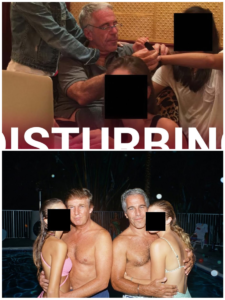
The releases also include Epstein with towering figures like Noam Chomsky on a plane, Woody Allen in social gatherings, Sergey Brin at dinners, Steve Bannon in mirrored selfies, and former Treasury Secretary Larry Summers. Earlier batches featured former Presidents Donald Trump and Bill Clinton, alongside celebrities such as Richard Branson and Alan Dershowitz.
Gates has long acknowledged meetings with Epstein post-2008 conviction, primarily for philanthropic discussions on global health. He has repeatedly called these associations a “huge mistake,” emphasizing no involvement in Epstein’s crimes. Representatives for others pictured, including Chomsky and Bannon, note prior disclosures of interactions without implying wrongdoing.
These candid proximities—often undated and lacking context—cast renewed scrutiny on long-buried ties, highlighting how Epstein cultivated access to tech, political, and cultural elites. Victims’ advocates argue the visuals underscore the need for full accountability, while critics question selective releases and redactions amid ongoing disclosures of over a million documents.
As more files surface, these images challenge narratives of elite impunity, prompting demands for unredacted transparency to separate innocent associations from potential enablers.
Leave a Reply