In her posthumously published memoir Nobody’s Girl, released in October 2025, prominent Jeffrey Epstein accuser Virginia Giuffre detailed how the late financier boasted about using hidden cameras to record compromising sexual encounters, explicitly aiming to blackmail powerful men for favors and influence.
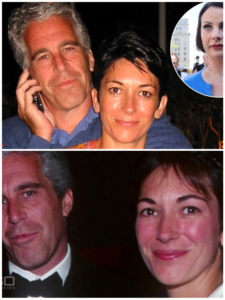
Giuffre, who tragically died by suicide earlier in 2025, wrote that Epstein’s properties—from his Manhattan mansion to his Palm Beach estate and private island—were rigged with extensive video surveillance in bedrooms and bathrooms. “He’d always suggested to me that those videotapes he so meticulously collected… gave him power over others,” she revealed. Epstein openly discussed leveraging footage of her coerced encounters with influential figures to ensure their “compliance,” stating these men would “owe him favors.”
Giuffre recounted Epstein’s chilling admissions: he trafficked girls not just for gratification but to ingratiate himself with elites, gathering material for potential extortion. She described a vast library of tapes confiscated by the FBI during 2019 raids, questioning in her book why they haven’t led to further prosecutions. Her co-writer, Amy Wallace, confirmed private recordings where Giuffre named alleged participants, and Epstein wired homes for audio-video leverage.
Other survivors, including Maria Farmer and Sarah Ransome, echoed claims of surveillance rooms monitoring guests. Farmer reported hidden cameras to the FBI as early as 1996, while Ransome alleged viewing tapes of high-profile men—though she later retracted specific names.
Despite persistent allegations, a July 2025 DOJ memo stated no credible evidence of systematic blackmail or a “client list” was found after exhaustive review. Ongoing file releases under the 2025 Transparency Act continue fueling debate, with victims demanding full disclosure of seized materials to expose any remaining enablers in Epstein’s network.
Giuffre’s revelations underscore the enduring mystery: if tapes exist, why the silence?
Leave a Reply