As of January 5, 2026, the U.S. Department of Justice continues its protracted review of Jeffrey Epstein-related documents, quietly acknowledging that full compliance with the Epstein Files Transparency Act—signed by President Trump in November 2025—will extend several more weeks into the new year. The Act mandated release of all unclassified records by December 19, 2025, but the DOJ missed this deadline after uncovering over a million additional pages, expanding the total under review to approximately 5.2 million.
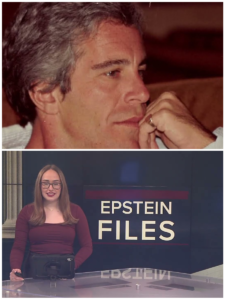
Officials cite the massive volume and necessity of redactions to protect victims’ identities as primary reasons for the delay. Hundreds of lawyers from various DOJ divisions are now working around the clock, with further tranches unlikely before late January. Initial December releases included photographs of prominent figures like former President Bill Clinton in unguarded moments aboard Epstein’s jet and island, alongside flight logs and social images featuring celebrities and politicians. However, heavy redactions and withheld materials—potentially including videos and interview memorandums—have drawn sharp bipartisan criticism.
Lawmakers such as Reps. Ro Khanna (D-Calif.) and Thomas Massie (R-Ky.), who co-authored the law, express frustration over withheld documents more than the timeline slippage, accusing the DOJ of over-redacting to shield powerful individuals. Senate Democrats, led by Chuck Schumer, have threatened legal action, while survivors’ advocates demand unredacted statements naming alleged abusers.
This limbo perpetuates conspiracy theories and erodes trust, as partial disclosures fuel speculation without revealing the full scope of Epstein’s elite network. With midterm elections looming, the saga underscores tensions between promised transparency and institutional caution, leaving guarded names, intimate photographs, and potential evidence of complicity suspended amid promises of eventual release.
Leave a Reply