In the ongoing phased release of Jeffrey Epstein-related documents by the U.S. Department of Justice, attention has turned to Virginia Giuffre’s 2016 deposition, originally unsealed in prior tranches but resurfacing in discussions. Giuffre, a key Epstein accuser who tragically died by suicide in 2025, described in the May 2016 testimony dining on Epstein’s private island, Little St. James, with former President Bill Clinton, Ghislaine Maxwell, Epstein, and two “young” girls on multiple occasions.
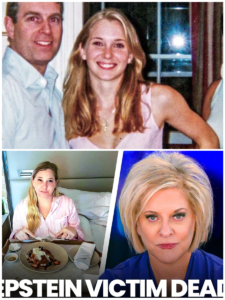
She recounted casual dinners with laughter and joking, emphasizing that Clinton was never sexually involved with her and that she never witnessed him engaging in misconduct with others. Giuffre suggested Clinton could be a “witness” to Epstein’s activities due to his presence and awareness of her “purpose” there, though she made no direct accusation of wrongdoing against him.
However, Giuffre clarified inconsistencies from earlier media reports, stating claims of flying in a helicopter with Clinton—piloted by Maxwell—stemmed from what Maxwell told her, not firsthand observation. She expressed doubt about some of Maxwell’s “fantastical” stories. Clinton has consistently denied visiting the island, with no flight logs or Secret Service records corroborating a trip there. Spokespersons reiterate he knew nothing of Epstein’s crimes and cut ties years before arrests.
The DOJ cautions that depositions include unverified recollections and raw testimony. No evidence in releases implicates Clinton in abuse. Giuffre’s accounts highlight Epstein’s elite access but underscore her explicit distinction: proximity does not equal participation.
As over 5.2 million pages undergo review into 2026, these details fuel debate over associations versus accountability, without new proof altering established denials.
Leave a Reply