Amid the congressionally mandated release of Jeffrey Epstein’s investigative files under the Epstein Files Transparency Act, the U.S. Department of Justice disclosed a massive batch of nearly 30,000 pages on December 23, 2025. The documents, part of ongoing disclosures following a December 19 deadline, include flight logs, emails, and investigative notes—many referencing President Donald Trump.
One document quickly drew intense scrutiny: a handwritten letter purportedly from Epstein, written from jail in 2019 and addressed to convicted sex offender Larry Nassar. The note crudely stated, “We shared one thing…our love and caring for young ladies and the hope they’d reach their full potential,” adding, “Our President also shares our love of young, nubile girls.” Signed “J. Epstein,” it appeared to implicate Trump in shared predatory interests.
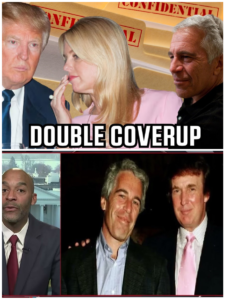
Within hours, the DOJ declared the letter a forgery. In statements on X, officials cited multiple inconsistencies: the envelope was postmarked in Virginia rather than New York (where Epstein was held), listed an incorrect jail as the return address, was processed three days after Epstein’s suicide, and featured handwriting that did not match his. The FBI had flagged and analyzed it years earlier, confirming it as fake—likely a hoax mailed to Nassar’s prison.
The inclusion of this fabricated document in official files raises alarming questions about contamination. The DOJ explained that transparency laws require releasing all materials in possession, including unsubstantiated tips and known fakes received during investigations. Deputy Attorney General Todd Blanche noted that such items highlight how “fake or false documents” can enter records.
Critics, including victims’ advocates and bipartisan lawmakers, argue the incident underscores vulnerabilities in the process amid delays and heavy redactions. With over a million additional documents recently uncovered, full release may extend weeks. This episode fuels debates over deliberate misinformation, potential sabotage of records, or sloppy handling—eroding trust in a process meant to expose Epstein’s network of elite enablers.
As scrutiny intensifies, the forged letter serves as a cautionary tale: in pursuit of truth, distinguishing fact from fabrication remains paramount.
Leave a Reply