The enduring controversy surrounding President Donald Trump’s ties to Jeffrey Epstein has taken a new turn with conflicting accounts about whether Trump ever visited Epstein’s notorious Palm Beach mansion. Trump has repeatedly insisted he distanced himself early, banning Epstein from Mar-a-Lago and claiming limited contact. In various statements, including 2025 remarks, he has suggested he barely knew Epstein beyond Palm Beach social circles and never engaged in wrongdoing.
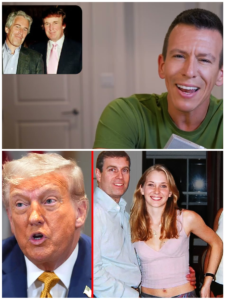
Yet evidence from Epstein’s former housekeeper and resurfaced documents contradicts Trump’s narrative of avoidance. In a 2009 deposition unsealed in 2024 as part of Virginia Giuffre’s defamation suit against Ghislaine Maxwell, Epstein’s longtime employee Juan Alessi testified that Trump frequently visited the Palm Beach home for meals. “Mr. Trump would come, have dinner,” Alessi said, noting Trump ate in the kitchen with staff rather than at the formal table. Alessi emphasized Trump “never sat at the table” but confirmed regular visits, adding that Trump had his own spa at Mar-a-Lago and received no massages at Epstein’s.
This directly clashes with Giuffre’s sworn testimony. In her 2016 deposition, Giuffre—the most prominent Epstein accuser who alleged recruitment from Mar-a-Lago at age 16—stated she never saw Trump at Epstein’s properties. Asked if she had ever been in Trump and Epstein’s presence together beyond Mar-a-Lago, she replied no. She further clarified: “I don’t think Donald Trump participated in anything,” denying any flirtation, sexual involvement, or witnessing misconduct. Giuffre consistently exonerated Trump in depositions, interviews, and her posthumous memoir, describing limited friendly encounters only at Mar-a-Lago.
The discrepancy intensified with a 2011 Epstein email resurfaced in 2025 House Oversight releases, claiming “Virginia spent hours at my house with [Trump]” and noting Trump’s silence amid scrutiny as a “dog that hasn’t barked.” White House officials identified the reference as Giuffre, dismissing it as non-incriminating given her testimony. Critics argue the email implies visits Giuffre denied recalling, while defenders highlight her clear statements absolving Trump.
Alessi’s account of dinners aligns with other reports of 1990s-2000s socializing, including shared flights and parties. Trump has evolved his explanation, citing a 2004 property bidding war or Epstein “stealing” staff like Giuffre as fallout reasons. No evidence from Giuffre or other victims links Trump to abuse, and flight logs show no island visits.
Giuffre’s death by suicide in April 2025 silenced potential clarification, leaving her testimony as a key counterpoint. The clash underscores polarized interpretations: some see housekeeper claims as proof of deeper ties, others view Giuffre’s words as definitive exoneration. As more Epstein files emerge under 2025 transparency laws, these contradictions fuel debates over elite accountability and the reliability of memory in high-stakes scandals.
Ultimately, Giuffre’s sworn denials stand in sharp contrast to secondary accounts of Trump’s presence at the mansion—a site central to Epstein’s crimes—highlighting how facts and perceptions continue to diverge.
Leave a Reply