Jeffrey Epstein’s 2008 conviction for procuring a minor for prostitution should have isolated him from society’s upper echelons. Yet, the disgraced financier maintained—and even expanded—deep connections to global power centers for over a decade afterward. Recent document releases, including emails, flight logs, and schedules from the U.S. Department of Justice’s Epstein files, reveal how Epstein’s web of influence persisted, highlighting the resilience of elite networks in the face of scandal.
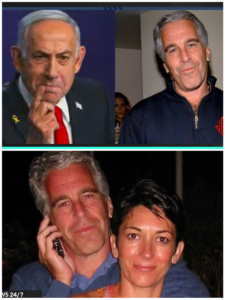
Epstein’s plea deal in Florida allowed him extraordinary leniency: 18 months in jail, much of it on work release. Upon release in 2009, he resumed hosting influential figures at his mansions in New York, Palm Beach, and his private island. Wall Street Journal investigations and unsealed emails show Epstein frequently appeared at meetings accompanied by young women, yet billionaires, academics, politicians, and celebrities continued seeking his company, advice, and introductions.
Prominent examples abound. Billionaire Leslie Wexner, whose fortune Epstein managed for years, remained linked through financial ties post-conviction. Tech mogul Bill Gates met Epstein multiple times after 2008, later calling it a “huge mistake.” Linguist Noam Chomsky corresponded with him, defending post-conviction reintegration. Former Barclays CEO Jes Staley maintained close contact until regulators forced his resignation in 2021. Even royalty and entertainers like Prince Andrew and magician David Copperfield faced scrutiny for ongoing associations.
Flight logs from Epstein’s “Lolita Express,” released in phases throughout 2025 under the Epstein Files Transparency Act, document travel with high-profile passengers long after his conviction. Internal memos and emails underscore Epstein’s access: he bragged about meetings with ambassadors, tech giants, and filmmakers, positioning himself as a connector in elite circles.
Why did these ties endure? Epstein offered more than wealth—he provided access, intellectual stimulation, and philanthropic opportunities. Many associates claimed ignorance of his crimes or viewed him as reformed. Critics argue it exposes systemic blind spots: power protects power. Victims’ advocates decry how Epstein’s status as a registered sex offender did little to deter the powerful, enabling alleged abuses to continue until his 2019 arrest.
The 2025 DOJ releases—over 130,000 pages so far, with millions more pending—debunk myths like a secret “client list” or widespread blackmail but confirm no such incriminating roster exists. Instead, they paint a banal portrait of privilege: associations driven by mutual benefit, not coercion.
Epstein’s story is a cautionary tale about accountability in elite spheres. His conviction severed few bonds, allowing influence to flow unchecked. As survivors push for justice, these documents force reckoning: proximity to power often trumps moral reckoning.
Leave a Reply