Decades after Jeffrey Epstein orchestrated a calculated sex trafficking network targeting vulnerable young women, the U.S. Department of Justice has begun releasing long-concealed investigative files, offering glimpses into his web of powerful connections and the enablers who escaped full scrutiny.
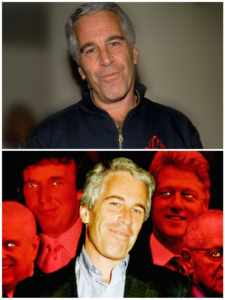
Under the Epstein Files Transparency Act—signed by President Trump in November 2025—the DOJ started disclosures on December 19, posting thousands of pages, photographs, flight logs, emails, and evidence from raids on Epstein’s properties. Initial batches include images of Epstein with figures like former President Bill Clinton and President Trump, as well as records showing Trump flew on Epstein’s jet multiple times in the 1990s, including trips with family and others. Mentions of executives like former Barclays CEO Jes Staley and former Treasury Secretary Larry Summers appear in estate documents, while Prince Andrew features in investigative notes.
Yet, no documents released so far provide evidence of criminal involvement by these associates in Epstein’s trafficking scheme. Many have denied knowledge of his crimes, and the files largely reinforce known social ties rather than revealing new accomplices.
Heavy redactions—to protect victims and ongoing sensitivities—have drawn bipartisan criticism, with survivors calling partial releases inadequate for justice and healing. Lawmakers, including Rep. Ro Khanna and Rep. Thomas Massie, decry delays after the DOJ uncovered over a million additional documents, pushing full transparency into 2026.
Grand jury transcripts from earlier probes, including Florida cases, highlight early warnings ignored by authorities, underscoring systemic lapses that allowed Epstein’s empire to thrive.
As rolling releases continue, these files pierce decades of secrecy but leave lingering questions about accountability. They honor victims’ bravery while exposing the stark influence that long shielded Epstein, reminding society of the human cost when power evades consequence.
Leave a Reply