In early December 2025, House Democrats on the Oversight Committee released over 150 never-before-seen photographs and videos from Jeffrey Epstein’s private island, Little St. James, obtained from U.S. Virgin Islands authorities. These images, taken in 2020 during civil litigation against Epstein’s estate, peel back the veil on a secluded paradise turned prison of exploitation, revealing interiors that chill far more than any rumor.
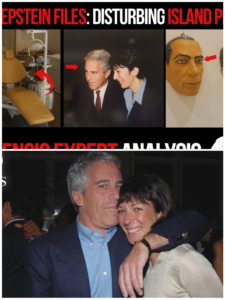
The photos depict sprawling compounds with multiple bedrooms featuring unmade beds and personal items frozen in time, as if abandoned mid-act. Bathrooms with oversized tubs and massage tables hint at the “services” victims described. One room contains a dental chair surrounded by eerie masks on the wall, evoking medical experimentation or restraint. Another shows a chalkboard scrawled with words like “truth,” “deception,” and “power,” alongside desks and chairs arranged in unsettling formality.
Exterior shots capture the infamous blue-and-white striped “temple” structure—once topped with a golden dome torn off by hurricanes—perched ominously on a hill, its purpose still shrouded in speculation. Pools, helipads, and guest villas sprawl across the 72-acre island, a luxurious facade masking horror. A landline phone with partially redacted speed-dial names underscores Epstein’s web of connections.
Later DOJ releases in December included interior views of the temple: decaying mattresses, exposed construction, and symbolic murals, amplifying the site’s macabre aura. Survivors alleged trafficking and abuse here, with girls as young as 11 brought for Epstein and associates.
These visuals transcend testimony, conveying isolation’s terror and calculated depravity. No people appear—faces redacted where needed—but the empty spaces scream volumes. As Rep. Robert Garcia stated, they offer a “disturbing look” into Epstein’s world, demanding why such evil thrived unchecked. With more files pending, the island’s silent testimony haunts, exposing power’s darkest underbelly.
Leave a Reply