Jeffrey Epstein’s improbable ascent from a modest Brooklyn background to the pinnacles of wealth and power began in the mid-1970s as a young physics and math teacher at the elite Dalton School in Manhattan. Hired at age 21 without a college degree, Epstein quickly caught the eye of influential parents. During a 1976 parent-teacher conference, he impressed a student’s father, who connected him to Ace Greenberg, CEO of Bear Stearns. Soon after leaving Dalton—officially for poor performance—Epstein joined the investment bank, rising rapidly to limited partner by 1980.
He founded his own firm in the 1980s, managing vast fortunes for ultra-wealthy clients like billionaire Leslie Wexner. Epstein cultivated an image of financial genius, amassing properties including a private island, a New York mansion, and jets. Often called a billionaire, his true net worth was shrouded in mystery, tied to opaque offshore entities.
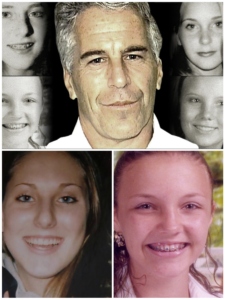
Yet behind this facade lurked horrifying secrets. As early as the 1990s, allegations surfaced of Epstein sexually abusing underage girls. Investigations revealed a pattern: recruiting teenage girls, some as young as 14, under the guise of massages, then assaulting them at his homes. Dozens of victims came forward, describing payments for sex acts and recruitment of others. The Miami Herald identified about 80 victims, while federal probes confirmed at least 36 minors abused between 2002 and 2005 alone.
Epstein’s 2008 plea deal—criticized as lenient—allowed him to serve minimal time. Rearrested in 2019 on federal sex-trafficking charges, he died in jail, ruled a suicide. Recent 2025 document releases, including thousands of files from the Justice Department, have reignited scrutiny, exposing the depth of his network and enablers.
Epstein’s story is a stark reminder of how privilege and connections shielded a predator for decades, victimizing scores of vulnerable girls while he hobnobbed with elites. His legacy endures as a symbol of unchecked power and systemic failure.
Leave a Reply