More than a decade after Jeffrey Epstein’s crimes came to light, survivors continue to grapple with the profound, lasting impact of his abuse. Women who were groomed and assaulted as teenagers describe lives divided into “before” and “after”—a stark boundary where innocence ended and enduring trauma began. In recent interviews, public statements, and memoirs, these courageous women share how the exploitation reshaped their relationships, self-worth, mental health, and daily existence.
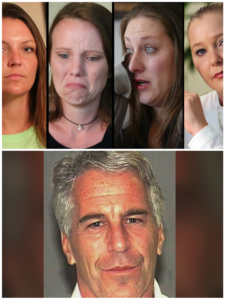
Annie Farmer, abused at 16 by Epstein and Ghislaine Maxwell, now a psychologist specializing in trauma recovery, speaks openly about the lingering effects. “The damage carries to this day,” she has said, describing normalized boundary violations that confused and isolated her. Farmer notes moments of confusion, like being instructed to rub Epstein’s feet, which blurred lines between care and exploitation. Her work helping others with anxiety and grief stems directly from her experience, turning personal pain into purpose. Yet, she carries the weight of knowing many more were harmed after early warnings were ignored.
Courtney Wild, another survivor abused as a teen, recounts the grooming process that made abuse feel almost normal until it escalated. “The first time, I remember how traumatized and disgusted I felt within myself,” she shared. Wild describes Epstein building false trust, preying on vulnerabilities like unstable home lives. For her and many others, the trauma led to self-doubt, addiction struggles, and difficulty forming healthy relationships. Experts note that childhood sexual abuse often triggers addictive behaviors as coping mechanisms, with survivors twice as likely to develop PTSD.
Haley Robson, who survived encounters starting in her teens, explains the ongoing process of unlearning survival skills. “It’s unlearning all the coping mechanisms that got me through alive, but now I have to relearn healthy ways,” she said. Robson emphasizes moving past trauma while advocating for others, speaking publicly to highlight systemic failures that allowed Epstein’s operation to continue.
The psychological toll is immense: revisiting trauma through trials, document releases, and media can reignite pain, leading to distress, re-traumatization, or even suicidal ideation. Tragically, prominent accuser Virginia Giuffre, whose posthumous memoir Nobody’s Girl details repeated abuse from childhood through Epstein’s network, died by suicide in 2025. Her story underscores how early exploitation compounds over time, eroding safety and trust.
Yet amid the pain, survivors find strength in sisterhood. Many describe a “cult of survival sisters”—bonds formed through shared testimony, rallies, and advocacy. In 2025, women like Maria Farmer, Danielle Bensky, Anouska De Georgiou, and Marina Lacerda rallied on Capitol Hill, demanding file releases and justice. Speaking out, they say, is therapeutic, validating their experiences and preventing future abuse.
These women refuse silence. Their trauma reshaped lives—fostering hypervigilance, intimacy issues, and chronic shame—but also resilience. By sharing stories, they reclaim power, support one another, and push for accountability. As one survivor noted, “We want to be heard.” Their courage illuminates the hidden cost of abuse while inspiring healing for countless others.
Leave a Reply