Little St. James, the secluded 72-acre private island in the U.S. Virgin Islands owned by Jeffrey Epstein from 1998 until his death in 2019, remains a symbol of unimaginable privilege and alleged depravity. Nicknamed “Pedophile Island” or “Orgy Island” by locals and media, it was Epstein’s primary retreat, where prosecutors claim he trafficked and abused underage girls, luring them with promises of opportunity before exploiting them.
The island featured lavish amenities: a main mansion, guest cottages, a helicopter pad, and a mysterious blue-and-white striped “temple” structure built between 2009 and 2013. Once topped with a gold dome, this building
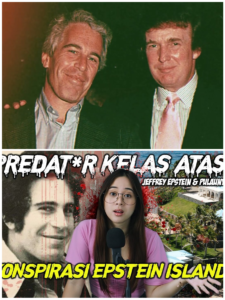 has fueled endless conspiracy theories—some speculate it housed underground tunnels, ritual sites, or hidden abuse chambers. Recent 2025 document releases, including photos from the Department of Justice, reveal its interior: dirty mattresses, coded symbols on walls, and mundane items like a grand piano, suggesting it may have been a music room or study, though victims’ accounts paint a sinister picture.
Epstein hosted elite guests here, including politicians, celebrities, and billionaires. Flight logs and unsealed files mention figures like Bill Clinton, Prince Andrew, and others, though many deny wrongdoing. Victims, including Virginia Giuffre, allege the island was central to Epstein’s international sex-trafficking ring, with girls as young as 11 brought via private jets or boats.
Ongoing 2025 disclosures—photos of bedrooms, dental chairs, and chalkboards scrawled with words like “power” and “deception”—have reignited debates. Critics accuse authorities of cover-ups through redactions shielding powerful names, while the DOJ insists no evidence supports blackmail or broader elite conspiracies.
Sold in 2023 for redevelopment into a luxury resort, Little St. James endures as a chilling reminder: isolation and wealth can conceal profound evil, leaving survivors demanding full accountability amid persistent, heated speculation.
Leave a Reply