Decades after escaping Jeffrey Epstein’s calculated web, his survivors gather to articulate the invisible wounds that reshape every relationship, ambition, and moment of trust in their lives.
In recent years, survivors of Jeffrey Epstein’s abuse have come together publicly—at Capitol Hill rallies, exclusive interviews, and advocacy events—to share the profound, enduring impact of their trauma. Events like the September 2025 Stand with Survivors rally and NBC’s group interview brought together women abused as teenagers, many speaking collectively for the first time.
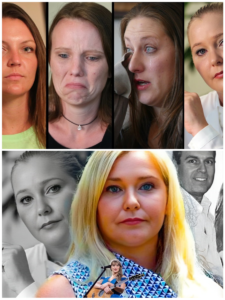
They describe a shattered sense of trust as the core wound. Groomed with promises of opportunity, they learned early that kindness could mask exploitation. “Loss of innocence, trust, and joy is not recoverable,” one survivor testified, echoing statements from court hearings and recent gatherings. Relationships suffer deeply: hypervigilance strains partnerships, fear of intimacy persists, and many isolate to avoid vulnerability.
Ambitions derail too. Trauma interrupts education, careers, and dreams. Survivors recount burying aspirations under shame, anxiety, and PTSD. Annie Farmer, a psychologist and survivor, specializes in trauma recovery yet carries her own scars daily. Others speak of lives divided: before and after Epstein.
Every moment of trust becomes fraught. Simple interactions trigger flashbacks; media scrutiny re-traumatizes. Despite this, survivors advocate fiercely—pushing for Epstein file transparency and supporting organizations like Virginia Giuffre’s Speak Out, Act, Reclaim (SOAR).
Their gatherings foster sisterhood, turning isolation into empowerment. By voicing invisible wounds, they demand accountability and healing, proving resilience amid unbreakable damage.
Leave a Reply