Bonded by Trauma: Epstein Survivors Share Stories of Coercion and Escape
The headline “When you are in, you can’t get out: Women describe how Jeffrey Epstein controlled them” originates from a September 2019 investigative article by Julie K. Brown for the Miami Herald (republished in outlets like the Anchorage Daily News). It captures the chilling reality of Jeffrey Epstein’s sex-trafficking operation, as detailed by survivors including Virginia Roberts Giuffre, Sarah Ransome, and Marijke Chartouni.
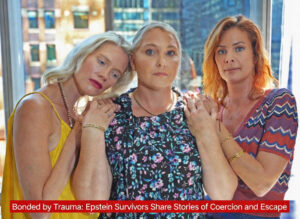
These women met for the first time at an emotional federal court hearing in Manhattan on August 27, 2019, following Epstein’s death by suicide in jail. The hearing addressed the dismissal of charges against him after his arrest on sex-trafficking charges involving minors. Two days later, on August 29, 2019, the three spoke in a group interview in New York, bonding over shared trauma and finding mutual support among others who had endured similar exploitation by Epstein and his associates, particularly Ghislaine Maxwell.
Key elements from their accounts and the broader reporting highlight the sophisticated methods of control Epstein used to ensnare and retain victims:
- Promising a lifeline to vulnerable young women — Epstein and his recruiters targeted those in difficult situations, offering help with education, careers, housing, or financial stability. Virginia Giuffre, recruited at 16 while working at Mar-a-Lago, described how he promised to “fix” problems in their lives and demonstrated his influence to make it seem real. Marijke Chartouni, introduced at age 20 via a friend claiming Epstein could aid her art school ambitions, was drawn in similarly.
- Gradual entrapment and isolation — Once involved, victims were hooked through initial “opportunities” that quickly turned coercive. Giuffre explained: “What they do, they are very clever. They hook you in. And when you’re in, you can’t get out. That’s it.” The operation involved providing housing, money, or perks while demanding sexual services for Epstein, Maxwell, and their powerful circle.
- Psychological and physical manipulation — Survivors recounted constant surveillance, threats (explicit or implied), intimidation, and dependency. Sarah Ransome described Epstein’s environment as always surrounded by young women who appeared visibly distressed—”you could see it in our faces”—yet no one intervened. Some were sent to doctors for medications or check-ups while abuse continued, with disclosures ignored.
- Bonding through shared survival — The 2019 hearing and interview marked a turning point for many, allowing them to connect with others who understood the isolation and fear. They emphasized reclaiming their narratives and supporting one another in seeking justice.
This phrase and the women’s stories underscore how Epstein’s network relied on exploitation of vulnerability, false promises, and inescapable control—often enabled by wealth, connections, and complicity. Giuffre, Ransome, and others continued advocating publicly, contributing to Maxwell’s 2021 conviction and broader awareness of trafficking dynamics.
The provided photo (credited to Emily Michot/Miami Herald/Tribune News Service via Getty Images) shows the three women supporting each other post-hearing, symbolizing solidarity amid profound shared pain.
Leave a Reply