Convicted for her central role in Jeffrey Epstein’s trafficking machine, Ghislaine Maxwell now petitions the Supreme Court to scrutinize the very laws that locked her away for two decades.
Ghislaine Maxwell, convicted in 2021 of sex trafficking minors and related charges for recruiting and grooming underage girls for Jeffrey Epstein, continues her battle for freedom. Sentenced to 20 years in 2022, she has exhausted direct appeals, including a denied petition to the U.S. Supreme Court in October 2025.
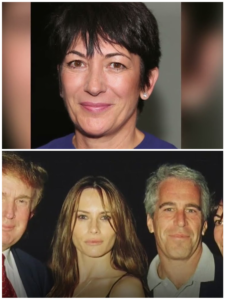
Her Supreme Court bid centered on Epstein’s 2007 non-prosecution agreement (NPA) with Florida federal prosecutors. The deal promised no charges against Epstein’s “potential co-conspirators” if he pleaded guilty. Maxwell argued this bound the entire U.S. government, barring her New York prosecution. Lower courts disagreed, ruling the NPA applied only to the Southern District of Florida. The Second Circuit upheld her conviction in 2024, and the Supreme Court declined review, leaving the sentence intact.
Undeterred, in December 2025 Maxwell filed a pro se habeas corpus petition under 28 U.S.C. § 2255 in the Southern District of New York. She claims “substantial new evidence” from civil cases, investigative reports, and unsealed documents reveals constitutional violations: withheld exculpatory information, false testimony, juror misconduct, and prosecutorial misconduct. Asserting no reasonable juror would convict her with this evidence, she seeks to vacate her conviction, a new trial, or release.
As of early 2026, the petition remains pending amid Epstein file releases under the Transparency Act. Maxwell, now in a Texas minimum-security facility, maintains innocence, framing her case as a miscarriage of justice in Epstein’s enduring scandal.
Leave a Reply