As the U.S. Department of Justice continues phased releases under the Epstein Files Transparency Act, newly unsealed grand jury transcripts from Ghislaine Maxwell’s 2020 federal case have reaffirmed her pivotal role in Jeffrey Epstein’s sex trafficking network. The documents, made public in late December 2025, detail prosecutorial summaries to grand jurors emphasizing Maxwell’s active recruitment and grooming of underage girls, often portraying her as the operational linchpin who sustained the abuse over decades.
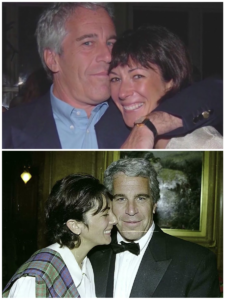
These transcripts, lightly redacted for victim protection, reveal how Maxwell befriended vulnerable teens, promised opportunities, and normalized sexual exploitation before introducing Epstein. FBI agents testified to patterns of coercion, payments, and threats, solidifying her image not as a passive partner but as a calculated facilitator essential to the scheme. While adding few groundbreaking details beyond her 2021 trial evidence, the records underscore institutional leniency critiques, including Epstein’s 2008 plea deal.
Timing intensifies scrutiny: On December 17, 2025, Maxwell, serving a 20-year sentence, filed a pro se habeas corpus petition in Manhattan federal court seeking immediate release or vacatur of her conviction. Citing “substantial new evidence” from civil cases and disclosures, she claims constitutional violations denied her a fair trial. This long-shot bid follows exhausted appeals, including Supreme Court rejection in October, and comes amid reports of her transfer to a minimum-security Texas facility.
Victims’ advocates decry the petition as an affront, arguing it exploits transparency efforts meant for accountability. “This is another attempt to evade justice,” one survivor stated anonymously. Maxwell previously warned that file releases could prejudice a potential retrial, yet her filing insists no reasonable juror would convict based on the full record.
The DOJ’s staggered disclosures—initial batches heavy on redactions, followed by over a million newly discovered documents delaying full compliance—fuel bipartisan frustration. Lawmakers accuse stalling, while the grand jury materials, though limited, reinforce Maxwell’s culpability without naming uncharged enablers.
Epstein’s 2019 suicide left Maxwell as the primary convicted figure, but lingering questions persist: Did prosecutors fully pursue complicity? As her petition pend and more files emerge, the case reignites debates over elite impunity, victim justice, and whether Maxwell’s role was underestimated—or deliberately contained. For survivors, true reckoning demands unfiltered truth, not reversal.
Leave a Reply