As the end of 2025 approaches, the U.S. Department of Justice grapples with intense scrutiny over its handling of Jeffrey Epstein-related documents, following the missed December 19 deadline mandated by the bipartisan Epstein Files Transparency Act. Signed by President Donald Trump on November 19, the law required full public release of all unclassified records within 30 days, but partial disclosures and heavy redactions have fueled accusations of noncompliance and potential cover-up.
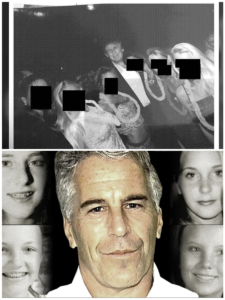
Initial releases began on December 19, with hundreds of thousands of pages—including photographs, flight logs, and emails—uploaded to the DOJ’s online “Epstein Library.” These featured known associations with figures like former President Bill Clinton and President Trump, alongside details from Epstein’s properties. However, extensive blackouts and the absence of major new revelations drew swift bipartisan backlash. Lawmakers, including the act’s co-sponsors Rep. Ro Khanna (D-CA) and Rep. Thomas Massie (R-KY), threatened contempt proceedings against Attorney General Pam Bondi for failing to deliver complete, minimally redacted files.
The stakes escalated dramatically on December 24 when the DOJ announced the discovery of over one million additional potentially related documents from FBI and Southern District of New York archives. Citing the need for victim protections and legal redactions, officials stated the review “may take a few more weeks,” pushing disclosures into 2026. “We have lawyers working around the clock,” the department posted on X, pledging compliance with the law and Trump’s transparency directive.
Critics, including Senate Minority Leader Chuck Schumer, decried the timing as a “Christmas Eve news dump” evidencing a “massive coverup.” A group of senators demanded an independent Inspector General audit, while survivors expressed frustration over delayed justice. The act prohibits shielding for reputational reasons, limiting redactions to victim privacy, national security, or ongoing probes.
Epstein’s network, exposed through prior unsealed materials, linked him to presidents, royals like former Prince Andrew, and billionaires. Ghislaine Maxwell remains imprisoned for trafficking. With the massive new cache promising deeper insights—or further recycled information—the ongoing delays heighten tensions. As 2025 closes, the saga tests institutional accountability, potentially reshaping public understanding of elite complicity in one of history’s most notorious scandals.
Leave a Reply