On December 20, 2025, the Department of Justice (DOJ) issued its second tranche of Epstein-related files under the Epstein Files Transparency Act, revealing a series of phone message slips and investigative notes from the late 1990s and early 2000s. Among them was a candid communication attributed to Donald Trump, in which he bluntly dismissed Jeffrey Epstein’s attempts to involve him with certain women, stating he had no interest in “older” ones.
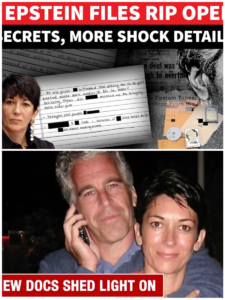
The message, captured in a Palm Beach police evidence log, stems from a period when Trump and Epstein socialized in New York and Florida circles. According to the notes, Trump called Epstein’s residence and left word rejecting an offer, reportedly saying something along the lines of, “Tell Jeffrey I’m not interested in the older women—he knows what I like.” Investigators interpreted this as Trump distancing himself from Epstein’s preferences for younger individuals, aligning with Trump’s later public claims that he banned Epstein from Mar-a-Lago after learning of his behavior toward staff.
This revelation contrasts sharply with earlier emails from Epstein’s estate, released by congressional committees in November, where Epstein implied deeper knowledge on Trump’s part. However, the newly disclosed message supports narratives that Trump expressed disinterest in Epstein’s escalating activities involving mature women, potentially signaling an early rift. No evidence in the files suggests Trump participated in or endorsed Epstein’s criminal conduct.
Deputy Attorney General Todd Blanche, in defending the rolling releases, noted that these materials—including message books and call logs—provide context to associations without implicating wrongdoing. Trump’s mentions remain sparse overall, with photos and references often showing social events rather than compromising situations. One framed check for $22,500 from Trump to Epstein, previously seen in estate photos, appears again, tied to charitable or business dealings.
Survivors and advocates welcomed details shedding light on Epstein’s grooming patterns, including notes about his frustration with “older” recruits and demands for “young” ones. Yet criticism persists over redactions and the paced disclosures, with bipartisan lawmakers like Rep. Thomas Massie arguing the process falls short of full transparency mandated by the Act.
The message bolsters Trump’s longstanding assertion of a fallout with Epstein around 2004, when he allegedly barred him from Mar-a-Lago for inappropriate advances toward younger employees. White House spokespersons highlighted it as evidence exonerating the president, while critics question why such exculpatory items surfaced amid heavier redactions elsewhere.
As additional tranches are promised in the weeks ahead, this blunt exchange offers a rare direct insight into Trump’s communications with Epstein, portraying rejection rather than complicity. For victims seeking accountability, it underscores how elite networks enabled Epstein’s crimes, even as some associates pushed back.
Leave a Reply