Landmark Exposé: Netflix’s Jeffrey Epstein: Filthy Rich Opens the Gates to Horror
A stunned world froze as Netflix’s unflinching four-part docuseries Jeffrey Epstein: Filthy Rich—premiering May 27, 2020—pried open the doors to Epstein’s secret mansions and private island for the first time, exposing lavish spaces where unimaginable abuse occurred, power shielded predators, and survivors’ voices were long buried.
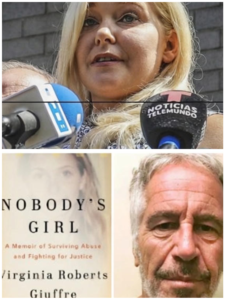
Directed by Lisa Bryant and executive produced by Joe Berlinger and James Patterson (adapting his 2016 book), the series shifted focus to survivors’ raw testimonies, amplifying stories silenced for decades. Prominent voices included Virginia Roberts Giuffre, Maria Farmer, Annie Farmer, Michelle Licata, Chauntae Davies, and others who detailed grooming starting as young as 14, often under the guise of “massages” at Epstein’s Palm Beach mansion.
Viewers entered Epstein’s world through archival footage, police raids, and exterior/aerial shots of his properties: the opulent Palm Beach estate (origin of the “pyramid scheme”), the massive New York City townhouse, the New Mexico ranch, and the infamous Little St. James—dubbed “Pedophile Island” in media. While the crew couldn’t access interiors post-arrest (one attempt at the island was met with armed guards), reconstructions, photos from raids, and survivor descriptions vividly evoked gilded rooms hiding profound darkness.
The series chronicled Epstein’s 2008 lenient plea deal, his 2019 arrest, and death by suicide, while questioning enablers like Ghislaine Maxwell. Critics praised its survivor-centered approach (82% on Rotten Tomatoes), noting it humanized the trauma and exposed systemic failures protecting the powerful.
Five years later, amid renewed scrutiny from file releases and Giuffre’s posthumous memoir, Filthy Rich remains a pivotal catalyst—proving documentary storytelling can crack open empires of secrecy and empower the silenced to reclaim their truth.
Leave a Reply