A stunned America scrolled through the long-awaited Epstein files released by the DOJ on December 19, 2025—only to discover no mythical “client list”, just thousands of pages heavy with redactions (over 550 fully blacked out) and recycled documents sparking outrage over a perceived cover-up.
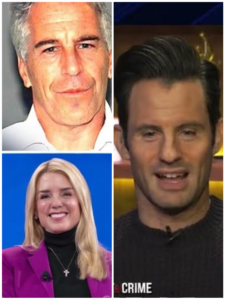
The final tranche under the Epstein Files Transparency Act—signed by President Trump on November 19 amid bipartisan pressure—delivered grand jury transcripts, investigative notes, flight logs, financial records, and estate photos. A DOJ/FBI memo confirmed: “No credible evidence of a compiled client list or systematic blackmail tapes.” Most content repackaged known material: Clinton’s 26 flights, Trump’s pre-2000 ties, Andrew’s island visits, Gates’ meetings—no fresh indictments.
Redactions, citing victim privacy and “ongoing probes,” shielded names and details, fueling accusations of elite protectionism. “550 pages of ink—truth erased,” Rep. Robert Garcia (D-CA) thundered. Survivors like Annie Farmer called it “retraumatization without justice,” echoing Giuffre’s Nobody’s Girl (October 21, 2025): “Virginia named abusers—files should’ve named more.”
Trump praised “complete transparency”; critics decried selective withholding. Public fury—3.8 million X posts under #EpsteinBlackout (75% outraged)—reflected disillusionment: hype for a phantom list, reality partial. The “cover-up” cry—raw, unrelenting—underscored power’s shield: redactions as final fortress, survivors’ pain the loudest casualty.
Giuffre’s truth—her fight until April 25 suicide—remained unredacted: elite proximity exposed, justice deferred.
Leave a Reply