On December 9, 2025, a federal courtroom in Manhattan buzzed with anticipation as Judge Paul Engelmayer’s gavel fell, ordering the unsealing of Ghislaine Maxwell’s grand jury materials—a historic step toward transparency in Jeffrey Epstein’s dark empire.
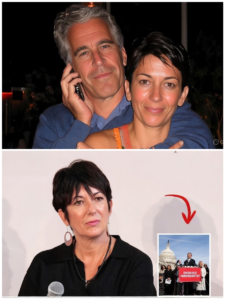
The 24-page ruling granted the Justice Department’s request to release transcripts, exhibits, and investigative notes from Maxwell’s 2021 sex-trafficking conviction, with redactions to protect victim identities. Engelmayer, reversing his August denial, cited the Epstein Files Transparency Act—signed by President Trump on November 19—as overriding grand jury secrecy under Rule 6(e). “The public interest in understanding this case outweighs traditional secrecy,” he wrote, requiring DOJ certification of privacy measures.
Maxwell’s attorney, David Markus, argued the release could prejudice her habeas petition challenging the conviction, but the judge prioritized disclosure. The materials, largely overlapping trial evidence, include FBI interviews and financial records but are unlikely to reveal new perpetrators.
The order joins December 5 (Epstein’s 2005–2007 Florida probe) and December 10 (Epstein’s 2019 case) rulings, mandating full release by December 19. Survivors hailed it as vindication, amplified by Giuffre’s Nobody’s Girl (October 21, 2025). Critics accused DOJ delays under Pam Bondi of shielding elites.
As the gavel echoed, the courtroom’s anticipation mirrored a nation’s: Epstein’s empire, long shrouded, finally cracking open.
Leave a Reply